Fashion e-commerce, decoded.
Original research, customer playbooks and the occasional opinion, written by the team building AI for fashion.


Production numbers, not lab demos






















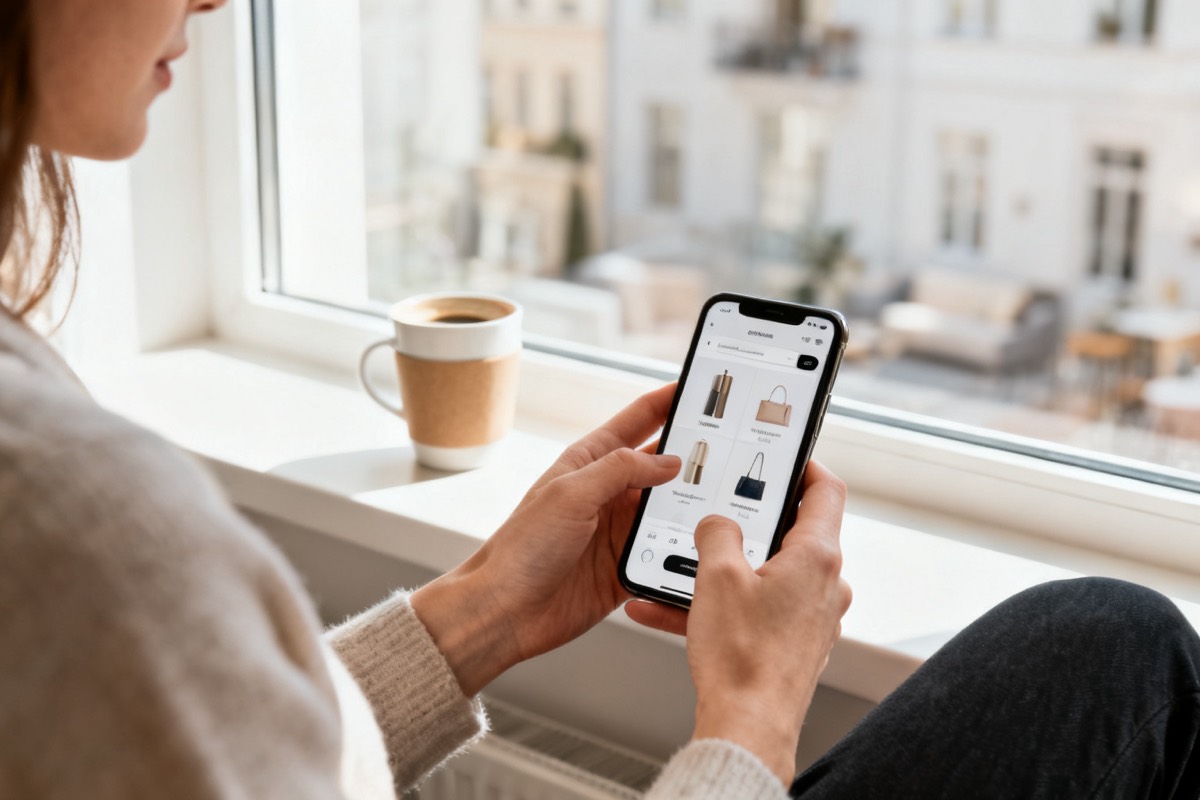
Agentic Commerce: How AI Agents Will Reshape Fashion E-Commerce by 2027
Shopping agents will browse, filter and buy on your customers' behalf. What agentic commerce means for fashion brands, and how to make your catalog legible to machines before 2027.
 Federico Fortis20 Jul, 2026
Latest posts
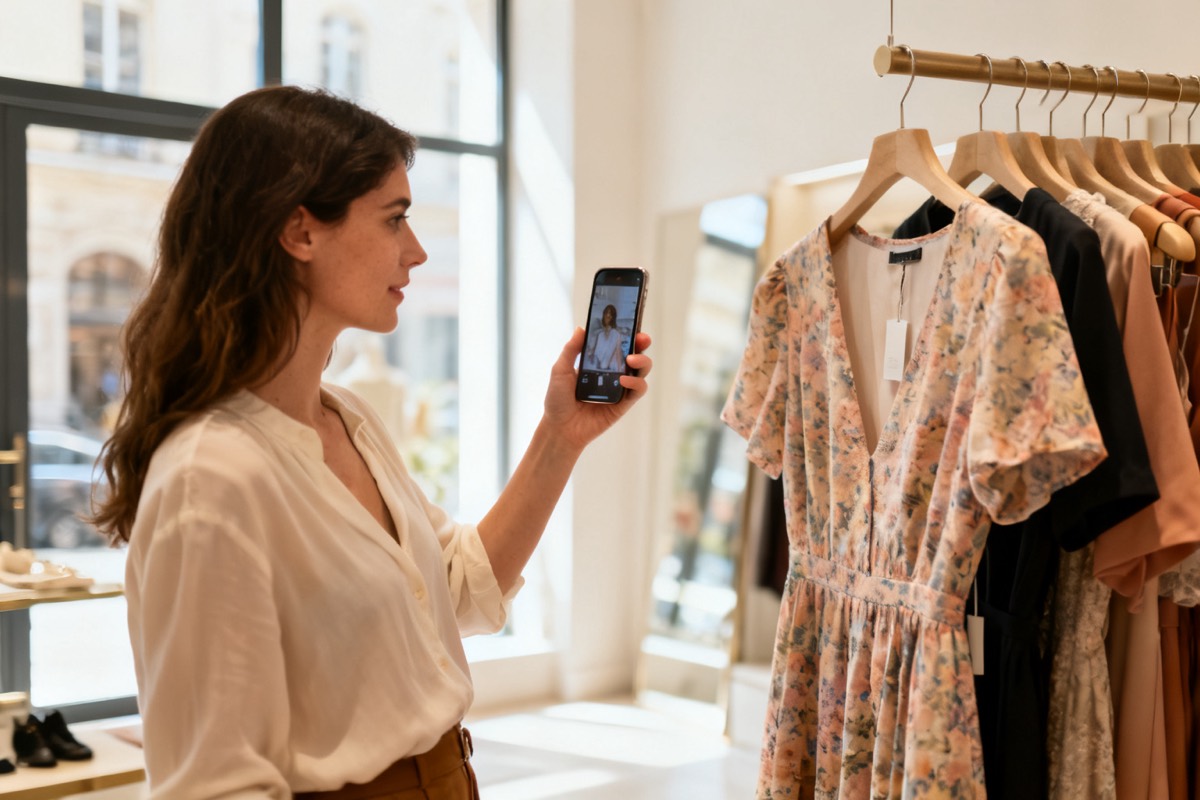
Virtual Try-On in Production: What Real Deployments Teach Us in 2026
 Théophile BousquetTry-on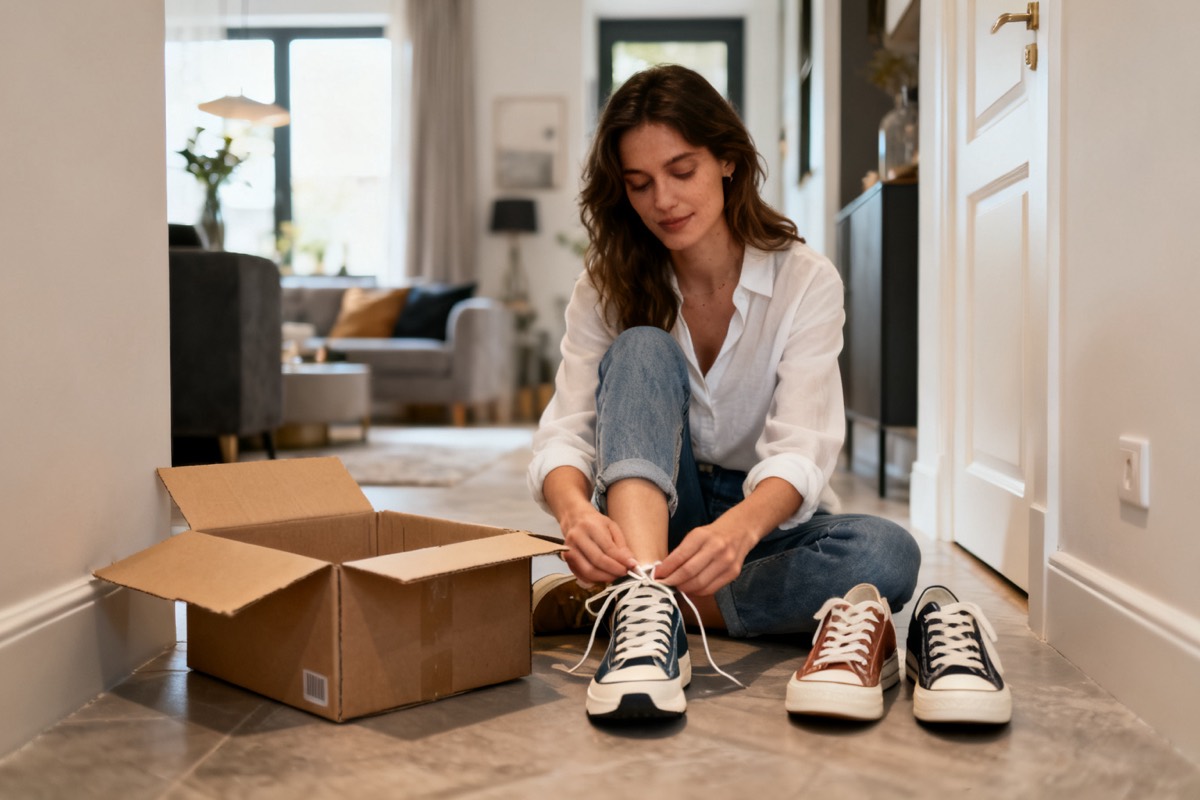
Footwear Sizing Online: Why Shoes Are Fashion's Hardest Fit Problem
The AI Merchandising Playbook for Black Friday 2026
Federico FortisMerchandising
What Millions of Fashion Searches Teach Us About Shopper Intent
Discover our other articles
 Returns
Cart Abandonment in Fashion: The Fit-Doubt Factor Nobody Measures
Shoppers rarely abandon over price alone. The fit doubt that stalls fashion checkouts, why analytics never surfaces it, and the interventions that measurably recover those baskets.
Théophile Bousquet30 May, 2026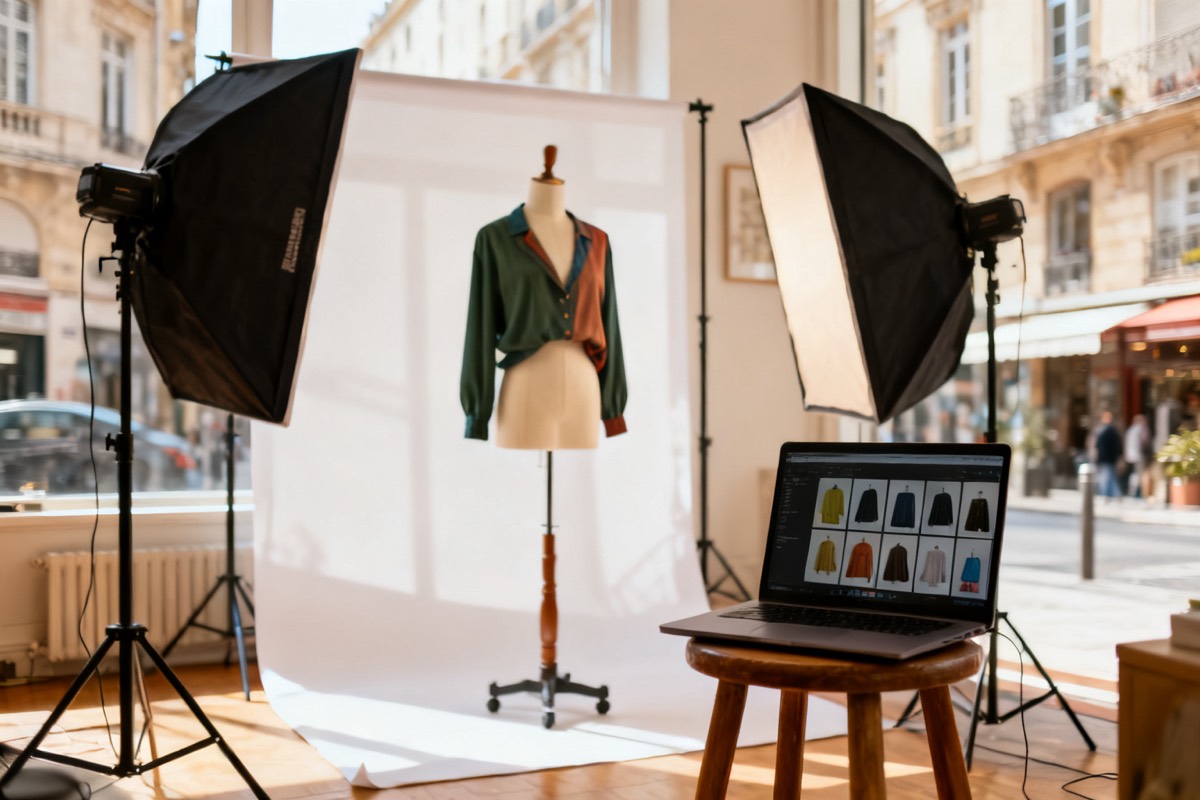 AI Photoshoot
AI Product Content at Scale: Photoshoots, Video and the New Studio Stack
On-model imagery, video and campaign content without the studio calendar: how AI content production works in 2026, where it holds up, and how brands structure the new stack.
Federico Fortis24 May, 2026 Compliance
What Is the EU Textile Digital Product Passport? A Complete Guide for Fashion Brands
For brands, this shifts transparency from 'brand-level storytelling' to 'product-level evidence': concrete information about where and how a specific garment was made, what it is made of, how it should be cared for, and how it can be reused or recycled.
Federico Fortis16 May, 2026 Recommendation
AI Product Recommendations in Fashion: What Actually Moves AOV
Complete-the-look beats you-may-also-like by a wide margin, and size-aware recommendations beat both. The numbers from 40+ deployments.
Federico Fortis12 Dec, 2025 Case study
How Showroomprivé Cut Its Return Rate 11% with AI Sizing
Flash sales, multi-brand catalogs, and millions of SKUs: the hardest sizing environment in fashion, and the playbook that worked.
Federico Fortis14 Nov, 2025 Sustainability
Sustainable Fashion Starts with Fewer Returns: The CO2 Math Nobody Does
Every avoided return saves transport, repackaging, and too often the landfill. We quantified the carbon cost of fashion's returns habit.
KRKleep Research11 Sep, 2025 Industry
Luxury E-Commerce Personalization, Without Losing the Maison
Luxury shoppers expect recognition, not retargeting. How maisons personalize sizing, discovery and content without diluting the codes that make the brand worth the price.
Federico Fortis07 Jun, 2026 Try-on
The Complete Guide to Virtual Try-On for E-Commerce (2026 Edition)
Avatar-based, photo-based, generative: every try-on technology explained, with the conversion numbers behind each and a framework to pick yours.
Théophile Bousquet28 May, 2026
Get started now
See the product in action and the results it delivers for brands like yours.
Book a demo