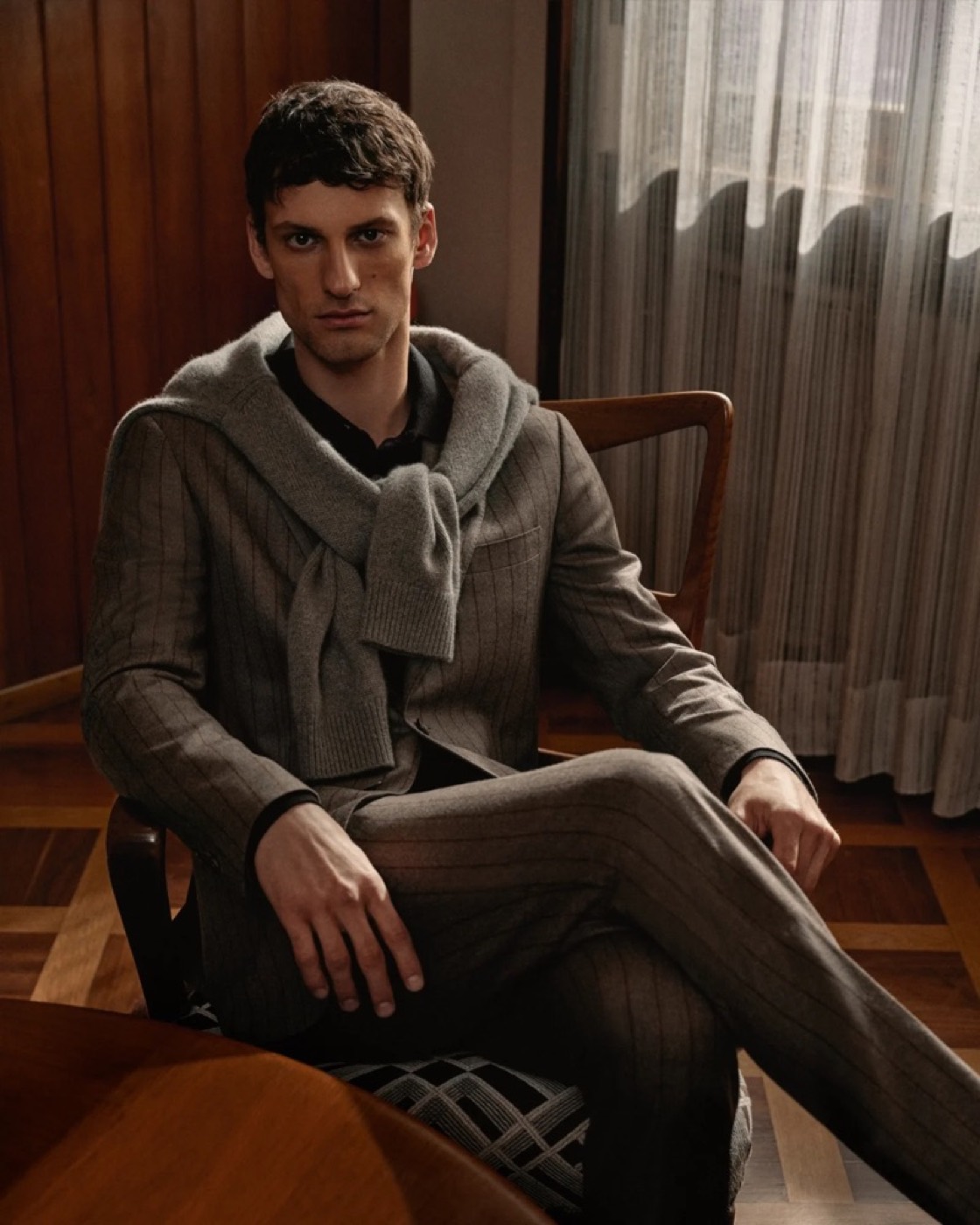

True Fit, brand-wide
Fit built for tailored cuts
About the brand
Founded in Milan, Boggi Milano is Italy's leading menswear brand, the house that made sartorial tailoring accessible, translating the codes of the Milanese wardrobe into blazers, trousers, shirting and knitwear sold through boutiques in some fifty countries and a polished e-commerce flagship. The proposition is precise: Italian construction, contemporary fits from sartorial to slim, at a price that lets a man build a serious wardrobe rather than admire one. Boggi's customer is fluent in fit, he knows his drop, notices a shoulder seam a centimetre out of place, and holds the digital experience to the standard of the boutique fitting, where a tape measure and a practised eye settle questions before they arise. That literacy is the brand's strength and its online burden: nowhere is a wrong size recommendation exposed faster than on a tailored silhouette, worn by a customer who can name exactly what's wrong with it.
Challenge
Tailoring tolerates nothing. A blazer half a size off reads instantly, in the collar gap, the sleeve pitch, the break of the trouser, and unlike casualwear, there is no 'relaxed fit' alibi to absorb the error. Boggi's assortment compounds the precision problem: the same customer may be a 50 in the sartorial line and a 52 in slim, drop and construction shifting the answer garment by garment. The brand had sizing technology in place, True Fit, one of the category's global names, but tailored menswear demands garment-level precision that generic, population-driven tools struggle to reach: they recommend the size most people like you kept, not the size this particular construction requires on your particular shoulders. For a house whose entire equity is fit, approximation online was a brand risk, not just a returns line. Boggi needed recommendations that worked the way its fitters do, piece by piece, body by body.
Solution
Boggi Milano replaced True Fit with Kleep brand-wide, going live in April 2026. The deployment is built around the logic of the tailor rather than the crowd: every garment is calibrated individually, sartorial, regular and slim cuts modelled as distinct constructions, with drop, shoulder and drape encoded per piece, so the recommendation reflects what this blazer does on this body, not what an average of past buyers settled for. Customers build a measurement profile through Kleep's two-photo body scan, taken via QR code in seconds, or a short questionnaire, and receive their size in under 250 milliseconds inside an interface white-labelled to Boggi's own restrained aesthetic. The effect on the product page is the one the brand's boutiques deliver in person: a quiet, confident answer to the fit question, before it becomes a hesitation. Milanese tailoring, measured properly, at digital scale.
Results
Boggi ran the most unforgiving user test imaginable, its own leadership. In May 2026, the month after launch, the brand's Board and C-level executives put the tool through its paces personally, and every single one of them received the right size. There is no sterner fitting panel than the people who built a tailoring house: executives who know their measurements to the centimetre, across a lifetime of made-to-measure, testing an algorithm against their own wardrobes. The engine passed unanimously. It is early in the deployment, but the direction is set, and the wider portfolio suggests where it leads: across 300+ live brands, Kleep deployments typically cut size-related returns by 20 to 50% and lift assisted conversion by 15 to 25%, with tailored menswear among the categories where precise guidance pays back fastest, because the cost of a wrong size is highest and the customer's fit literacy leaves nowhere to hide.
Discover our other case studies
All stories
 Smart Sizing
ETAM lifts revenue 5% and cuts returns 16%, proven in a live A/B test
Europe's lingerie leader put Kleep on trial with a live A/B test. The verdict: +5% revenue, 16% fewer returns. ETAM's numbers, not ours.

 Smart Sizing
ba&sh runs Kleep head-to-head against True Fit, and never looks back
ba&sh A/B-tested Kleep against True Fit on real traffic: +20% usage, +88% add-to-cart. The switch made itself.
 Smart Sizing
How JOTT used AI to improve fit accuracy & reduce returns
Outerwear sizing left shoppers guessing, and parcels kept coming back. JOTT put Kleep's fit guidance on every product page, so the right size is the first size.
 Smart Sizing
Lacoste partners with Kleep for unmatched AI fit precision
Lacoste rolled AI fit precision across its global storefront. The polo that fits, first time, in every market.
 Smart Sizing
Bompard brings next-gen precision sizing to luxury knitwear
Precision sizing for cashmere. Bompard brought next-gen fit confidence to luxury knitwear, and to its margins.

 Smart Sizing
Showroomprivé enhances online shopping with AI-powered sizing
Millions of members, millions of SKUs. Kleep made search finally understand what each member actually means.
 Smart Sizing
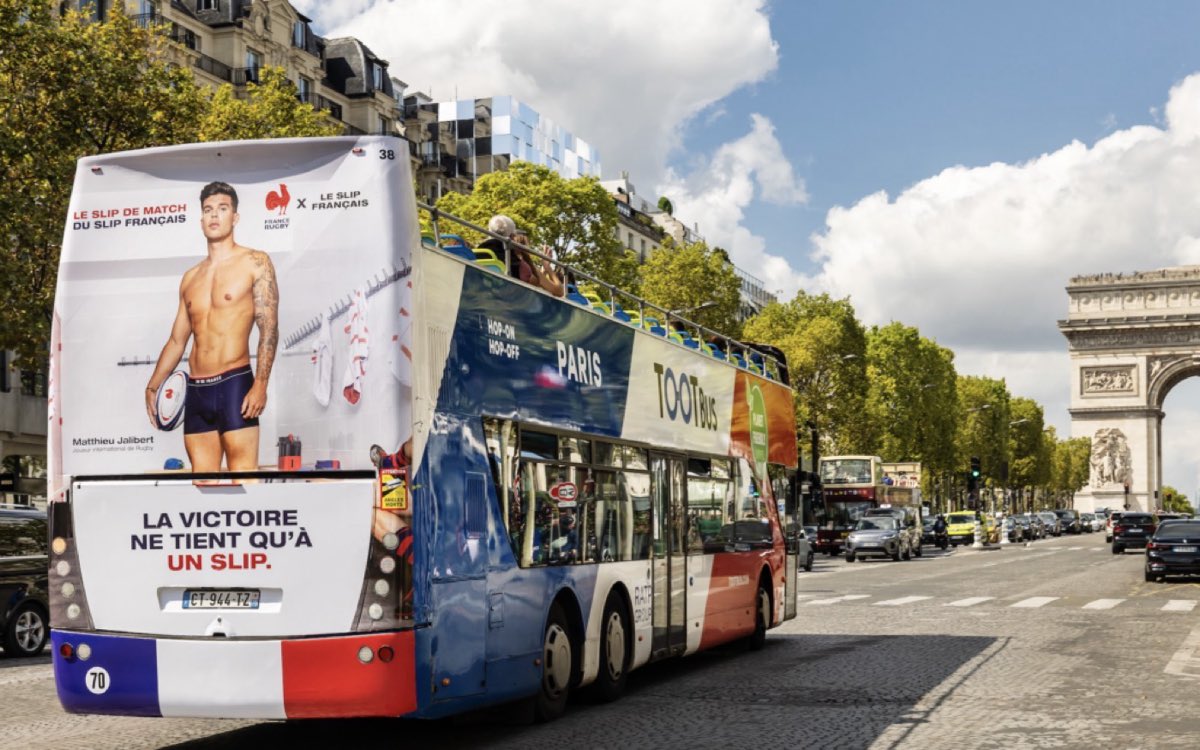
Le Slip Français solves the toughest fit challenge: underwear sizing
The hardest fit category there is. Le Slip Français solved underwear sizing from the very first order.
 Smart Sizing
Jules puts Kleep and Fitle head-to-head on live traffic. Kleep stays.
Jules ran Kleep against Fitle head-to-head on live traffic. Kleep won, and now sizes every pair of jeans in two clicks.

 Smart Sizing
Intersport switches from Fit Analytics to Kleep, storewide
The world's biggest multi-sport retailer tested Kleep against Fit Analytics, then replaced Fit Analytics.
 Smart Sizing
Maison Kitsuné retires Fitle and brings Kleep to every product page
From Paris to Tokyo, one fit experience. Maison Kitsuné retired Fitle and put Kleep on every product page.
Get started now
See the product in action and the results it delivers for brands like yours.
Book a demo