
On every product page
Every market, every drop
About the brand
Founded by Kenzo Takada in 1970 and today part of LVMH, Kenzo is the Parisian house where fashion first learned to smile, a maison built on bold prints, colour and cultural collision, from the Jungle Jap boutique's flowered beginnings to the tiger sweatshirt era to its current chapter under Nigo, where Japanese streetwear codes and Parisian craft meet as equals. Kenzo's identity has always been silhouette-forward: oversized where it wants to be, precise where it must be, with graphics and volume doing the talking. The house sells to a global, young-skewing audience across Europe, Asia and the Americas, customers who buy Kenzo for a look, frequently discover it through drops and collaborations, and shop it digitally first. That makes the online storefront the house's front door, and the size selector a surprisingly consequential piece of brand real estate: on silhouettes this intentional, the wrong size doesn't just fit badly, it misreads the design.
Challenge
Bold silhouettes are exactly where size charts fail. Oversized is a design decision, not a sizing error, but a flat table of measurements cannot tell a shopper which is which. A first-time Kenzo customer looking at a boxy sweatshirt faces an unanswerable question: is this cut generous, and should I take my usual size, or should I size down, or is the volume the entire point? Guess wrong in one direction and the piece loses its intended attitude; guess wrong in the other and it comes back as a return. Multiply that across a global customer base spanning European, Asian and American sizing instincts, and across a catalogue where fit intent shifts from piece to piece, and the cost of ambiguity compounds. Hesitation was quietly taxing the storefront at the exact moment of decision, and for a drop-driven brand, hesitation is momentum lost.
Solution
Kenzo signed with Kleep in November 2024 and was live the same month, one of the fastest luxury deployments in Kleep's portfolio, from signature to storefront in weeks. The engine's job at Kenzo is faithful translation of design intent: every piece is calibrated individually, so a recommendation reflects the fit the studio actually meant, oversized where designed, precise where cut, rather than forcing intentional volume through a generic garment model. Shoppers build a measurement profile via Kleep's two-photo body scan or a short questionnaire, and each product page then answers the only question that matters on a bold silhouette: which size gives you this piece as it was designed to be worn. The interface is white-labelled to the house's codes, returning recommendations in under 250 milliseconds. The partnership has since been extended, including to the US market, Kenzo's global storefront carrying one consistent fit language across every sizing culture it sells into.
Discover our other case studies
All stories
 Smart Sizing
ETAM lifts revenue 5% and cuts returns 16%, proven in a live A/B test
Europe's lingerie leader put Kleep on trial with a live A/B test. The verdict: +5% revenue, 16% fewer returns. ETAM's numbers, not ours.

 Smart Sizing
ba&sh runs Kleep head-to-head against True Fit, and never looks back
ba&sh A/B-tested Kleep against True Fit on real traffic: +20% usage, +88% add-to-cart. The switch made itself.
 Smart Sizing
How JOTT used AI to improve fit accuracy & reduce returns
Outerwear sizing left shoppers guessing, and parcels kept coming back. JOTT put Kleep's fit guidance on every product page, so the right size is the first size.
 Smart Sizing
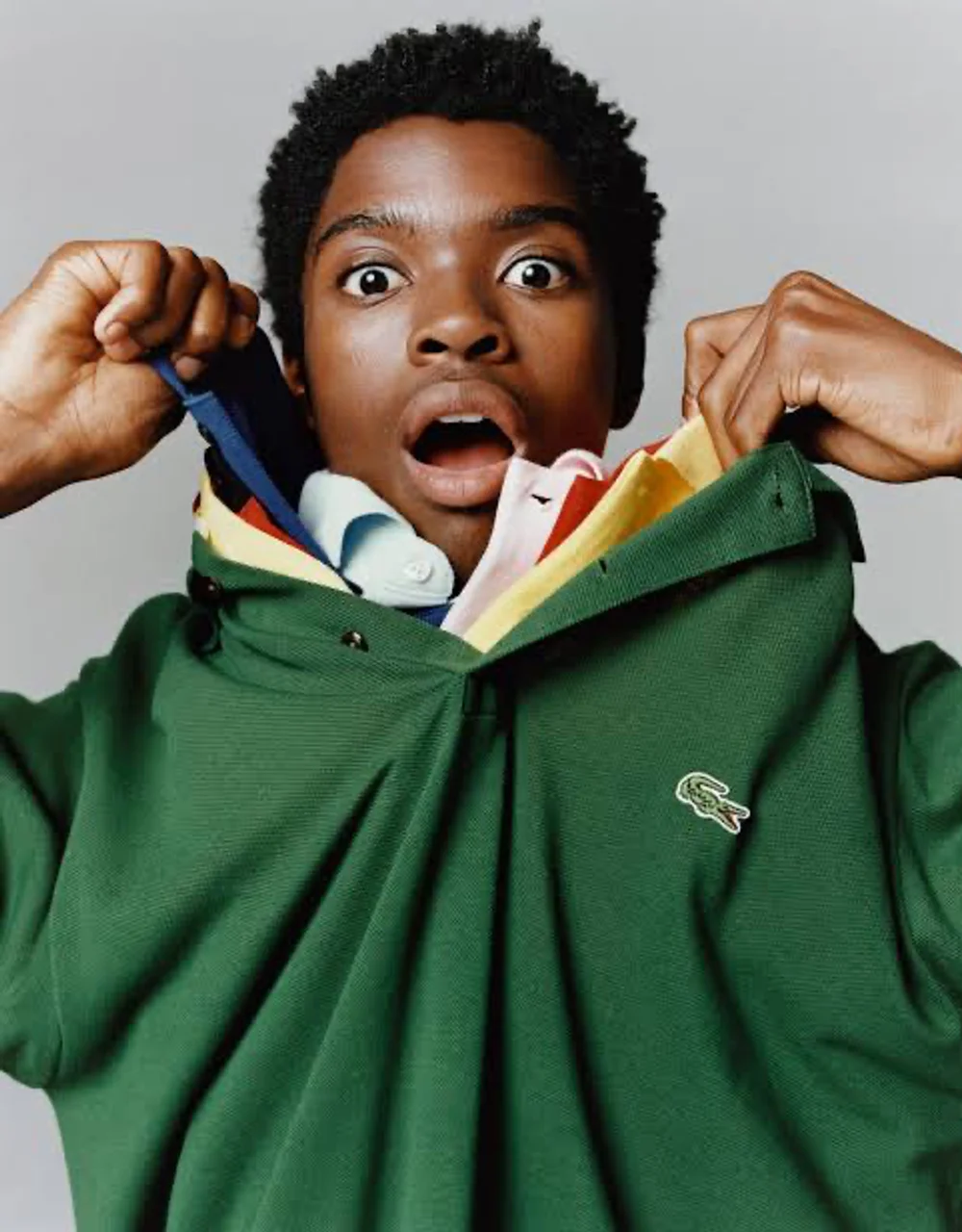
Lacoste partners with Kleep for unmatched AI fit precision
Lacoste rolled AI fit precision across its global storefront. The polo that fits, first time, in every market.
 Smart Sizing
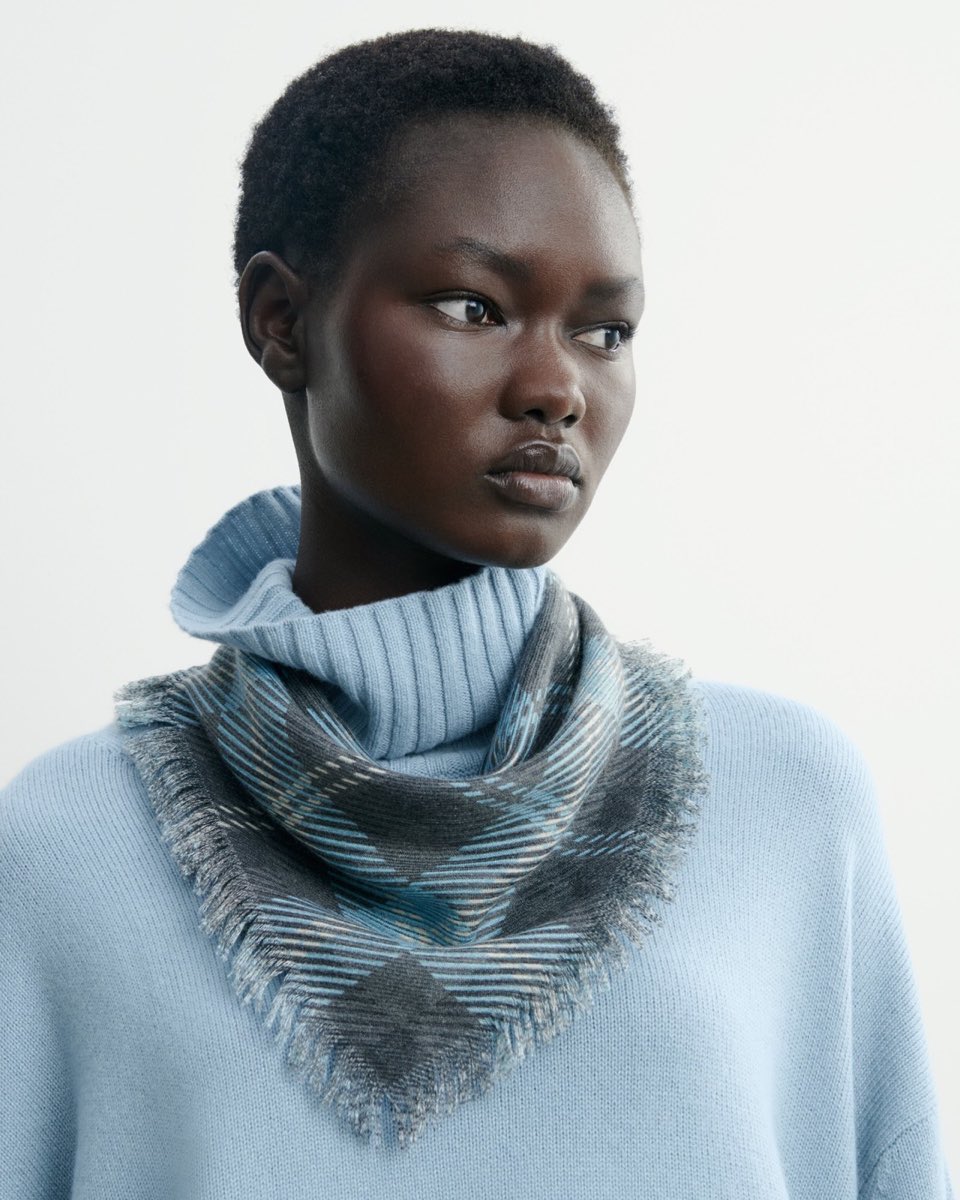
Bompard brings next-gen precision sizing to luxury knitwear
Precision sizing for cashmere. Bompard brought next-gen fit confidence to luxury knitwear, and to its margins.

 Smart Sizing
Showroomprivé enhances online shopping with AI-powered sizing
Millions of members, millions of SKUs. Kleep made search finally understand what each member actually means.
 Smart Sizing
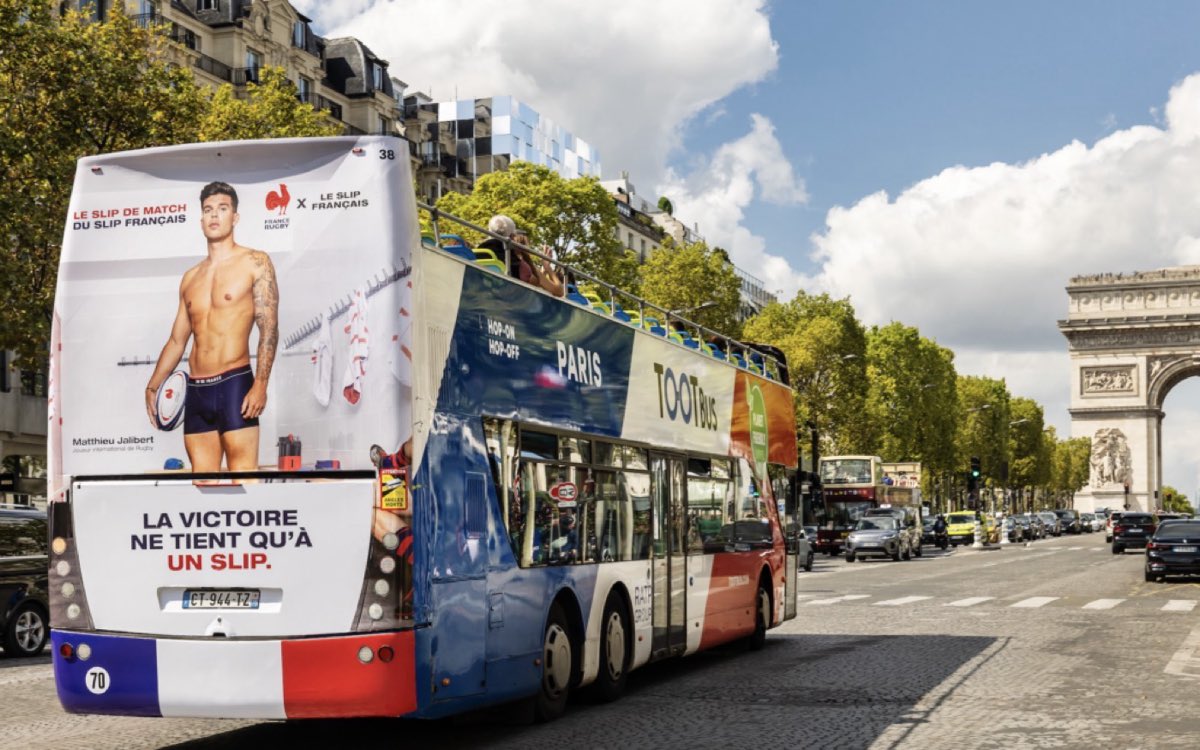
Le Slip Français solves the toughest fit challenge: underwear sizing
The hardest fit category there is. Le Slip Français solved underwear sizing from the very first order.
 Smart Sizing
Jules puts Kleep and Fitle head-to-head on live traffic. Kleep stays.
Jules ran Kleep against Fitle head-to-head on live traffic. Kleep won, and now sizes every pair of jeans in two clicks.

 Smart Sizing
Intersport switches from Fit Analytics to Kleep, storewide
The world's biggest multi-sport retailer tested Kleep against Fit Analytics, then replaced Fit Analytics.
 Smart Sizing
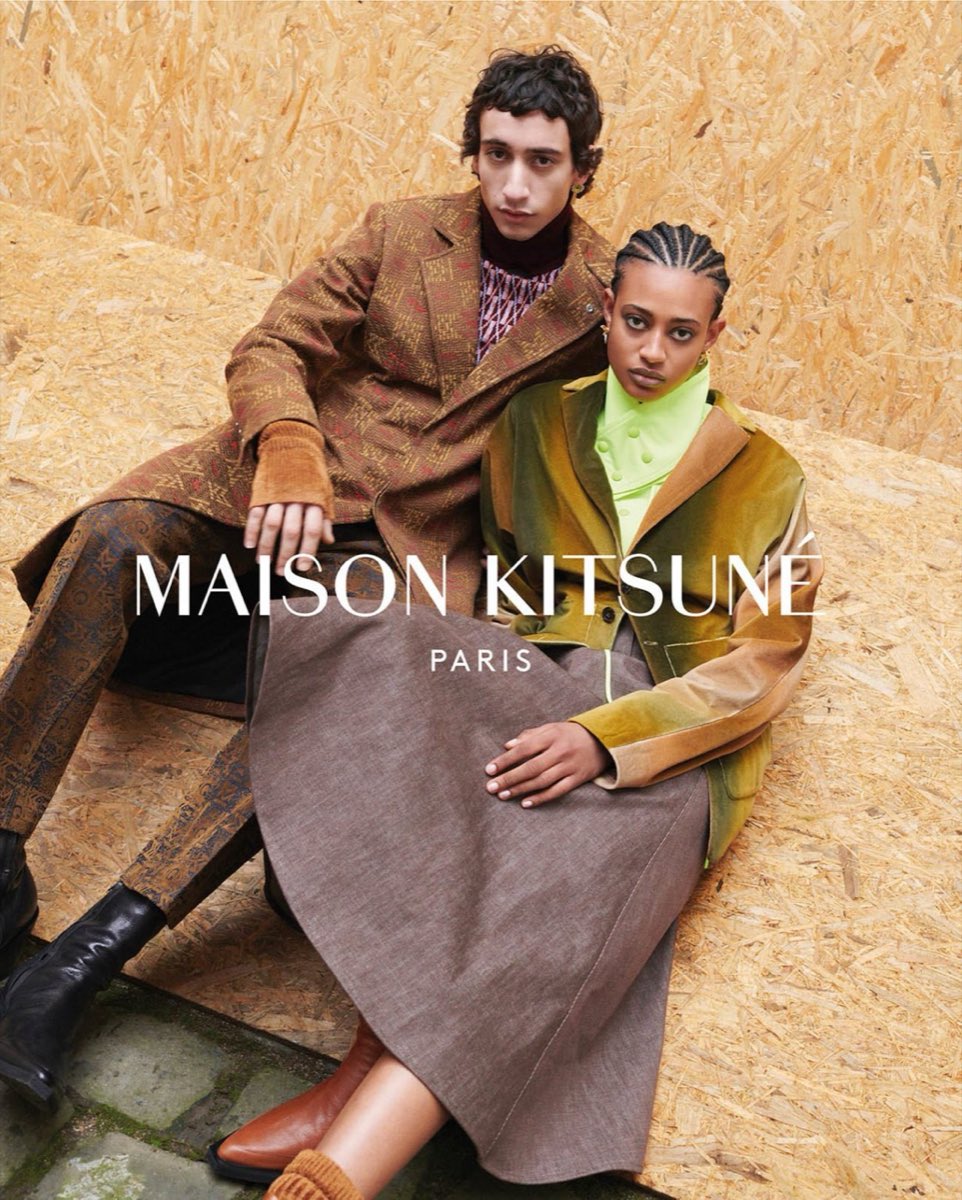
Maison Kitsuné retires Fitle and brings Kleep to every product page
From Paris to Tokyo, one fit experience. Maison Kitsuné retired Fitle and put Kleep on every product page.
Get started now
See the product in action and the results it delivers for brands like yours.
Book a demo