
Key takeaways
- Fashion's abandonment analyses obsess over checkout friction while ignoring the moment more baskets die: the size selector.
- Fit doubt is a measurable abandonment driver, it shows up as size-guide detours, long hesitation on the size dropdown, and exits from the product page with an open size selector.
- Bracketing is fit doubt's other exit: the "converted" order carrying two sizes is an abandonment that got postponed to the returns desk.
- You cannot fix what you do not instrument: track size-selector dwell, size-guide bounce, and exit-at-size-step as first-class funnel metrics.
- The durable fix is removing the doubt itself: a garment-specific size answer at the moment of hesitation, with try-on for the look and returns data closing the loop.
Cart abandonment in fashion: the fit-doubt factor
The standard cart-abandonment playbook, shorter checkout, more payment options, exit-intent discounts, treats every abandoned basket as a logistics failure. In fashion, a large share of abandonment has nothing to do with checkout at all. It happens earlier, at a specific interface element: the size selector.
The shopper wanted the item. They reached for it. Then came the question the page could not answer, which size?, and the confidence drained out of the purchase. Fit doubt is the abandonment driver almost nobody measures, which is exactly why it persists.
Anatomy of a fit-doubt abandonment
Watch the session replay and the pattern is unmistakable. The shopper opens the size dropdown and closes it. Opens the size guide, scrolls the grid, returns to the product. Hovers between two sizes. Opens a new tab to check the brand's sizing reputation. Then leaves, not because they stopped wanting the garment, but because the store asked them to gamble and they declined.
Standard analytics files this under generic product-page exits, indistinguishable from someone who disliked the price. The intent was intact; the information failed. That distinction is invisible unless you go looking for it.
Bracketing: the abandonment that looks like conversion
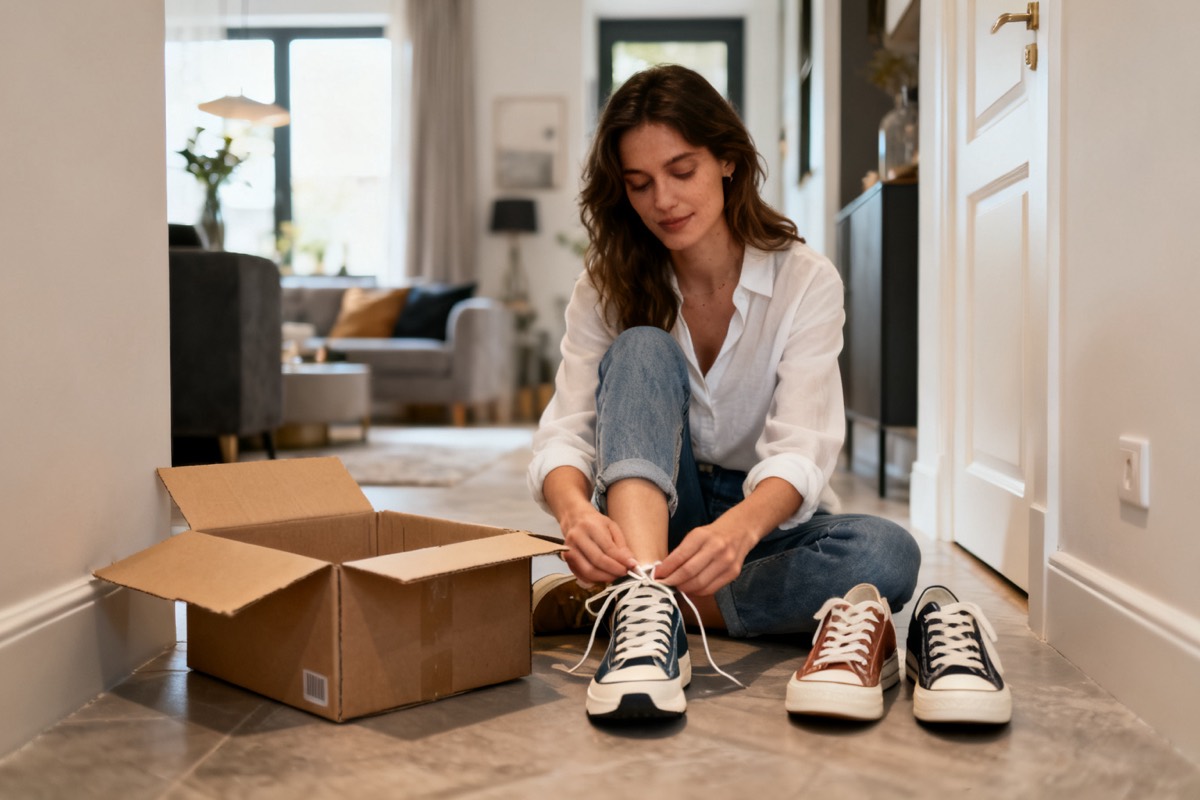
Fit doubt has a second exit that never appears in abandonment data at all: the shopper resolves their uncertainty by ordering two sizes. The dashboard records a conversion, and a healthy one. The reality is a deferred abandonment, one of those units was always coming back, with shipping, handling, and margin damage attached.
Counting bracketed orders as clean conversions is how retailers convince themselves fit doubt is not a problem. The basket survived; the economics did not.
A measurement framework for fit doubt
- Size-selector dwell: time between opening the size options and either selecting or exiting, hesitation made visible.
- Size-guide bounce: sessions that open the size guide and exit without adding to cart.
- Exit-at-size-step rate: product-page exits where the size selector was engaged but no size chosen.
- Bracketing rate: share of orders containing the same item in multiple sizes.
- Fit-assisted delta: conversion and return rate for sessions using fit guidance versus a control.
Fixing the doubt, not the symptom
Once measured, the fix is direct: answer the size question at the moment it is asked. A garment-specific recommendation, built from the shopper's body profile via a 30-second questionnaire or a two-photo scan, matched to the item's real measurements, replaces the gamble with an answer. In Kleep deployments, assisted sessions typically convert 15 to 25% higher, and returns fall 20 to 50%, with bracketing cut alongside.
Discount pop-ups cannot do this. A shopper leaving over fit doubt is not price-sensitive; they are information-starved. Ten percent off an item you suspect will not fit is not an offer. A confident size answer is.
What causes cart abandonment in fashion e-commerce?
Alongside classic checkout friction, a major under-measured driver is fit doubt: shoppers abandon at the size selector because they cannot tell which size to buy. The intent is intact, the information is missing, which is why discounts rarely recover these sessions.
How do you measure fit-related abandonment?
Instrument the size step directly: size-selector dwell time, size-guide bounce rate, exits with an engaged-but-unselected size dropdown, and the share of orders containing one item in multiple sizes. Together these isolate fit doubt from generic product-page exits.
Is bracketing a form of cart abandonment?
Economically, yes. Ordering two sizes to keep one is a deferred abandonment: the dashboard logs a conversion, but one unit was always destined to return, carrying shipping, handling, and margin costs. Treating bracketed orders as clean conversions hides the fit problem.
What reduces fit-doubt abandonment most effectively?
Answering the size question at the moment of hesitation with a garment-specific recommendation built from the shopper's own body profile. In Kleep deployments this lifts assisted-session conversion by 15 to 25% and cuts returns 20 to 50%, outcomes no exit-intent discount can match.
Conclusion
Fashion has optimised the checkout while the basket was dying two steps earlier. Fit doubt is measurable, dwell, bounce, exit-at-size, bracketing, and once measured, it is fixable with a real answer at the size selector. Stop treating abandonment as a payments problem. In fashion, it is very often a confidence problem, and confidence can be engineered.