
Key takeaways
- The expectation is now runway to product page in 24 hours, trends peak and fade before a traditional shoot can even be scheduled.
- The bottleneck is rarely the design or the buy; it is the photograph. The garment is ready, the picture is not.
- AI imagery generates on-model visuals in hours from a single garment input: multiple looks, settings and body types.
- Velocity without brand codes is worthless, constrain output to your casting, lighting and styling, or fast just means generic.
- The division of labour that works: AI handles the high-velocity repetitive layer (at savings estimated up to 90%), humans shoot the images that define the brand.
The new clock speed of content
Fashion has always raced from the runway to the rail. What has changed is the imagery in between. The expectation now is runway to product page in 24 hours, not weeks, set by social platforms where a look travels the world in an afternoon and by fast-fashion players who compressed every other part of the cycle first.
Trends surface, peak, and fade faster than ever. A look that is everywhere this morning may be old by the weekend. Content velocity is no longer a nice-to-have. It is the price of relevance, and the brands that cannot pay it watch demand spike and dissipate before their imagery exists.
Why traditional production cannot keep up
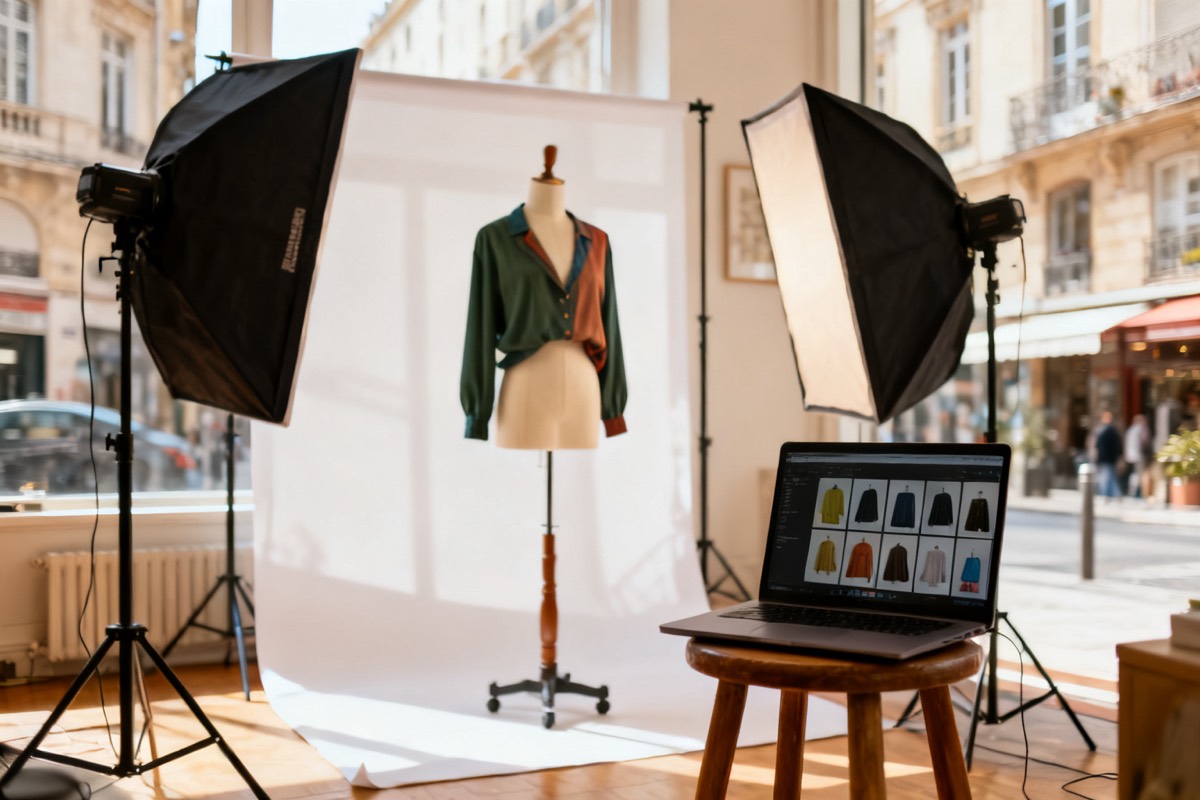
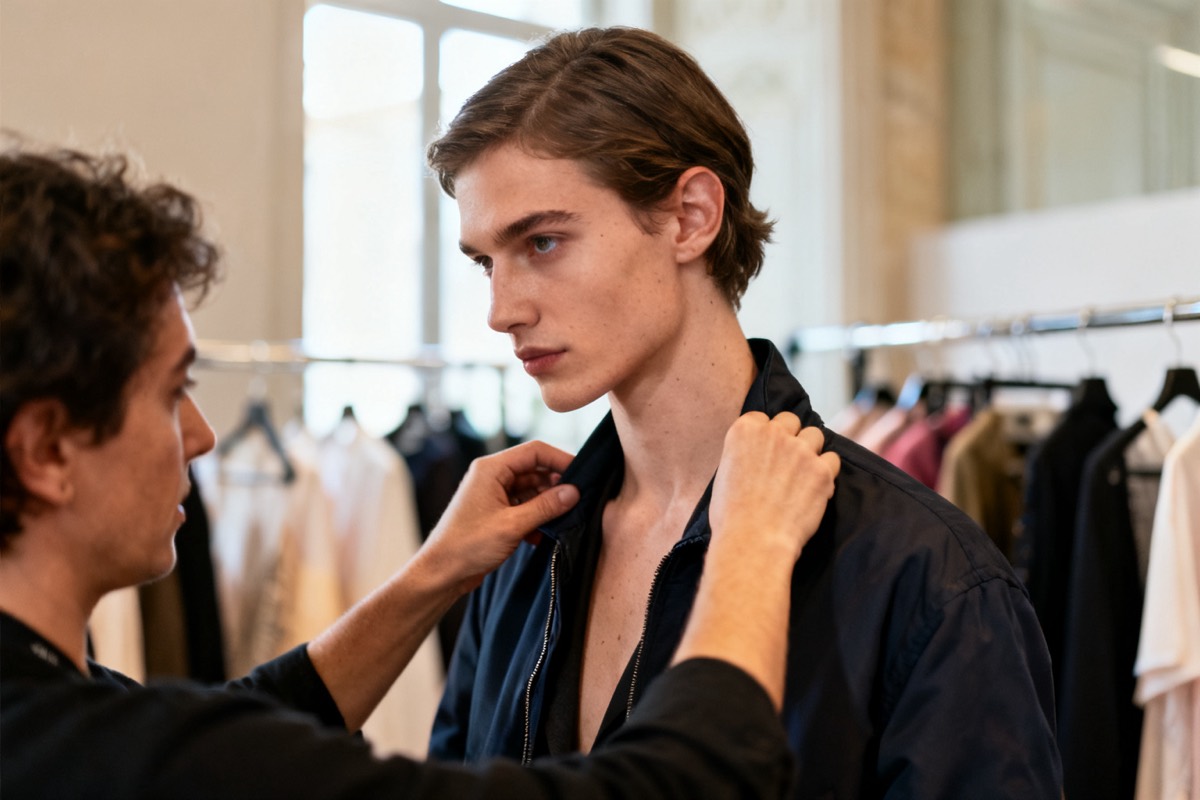
A conventional shoot needs a studio, models, stylists, and a calendar. Each is a dependency with its own lead time, and the critical path runs through all of them; by the time the shoot wraps and retouches, the cultural moment the imagery chased has often moved on.
The bottleneck is rarely the design or the buy. It is the photography. The garment is sampled, priced and ready; the picture is not, so a sellable product sits invisible while its moment passes. That gap between product-ready and content-ready is where AI imagery changes the game.
What AI imagery unlocks at speed
- On-model PDP imagery generated in hours, not booked weeks out.
- Multiple looks, settings, and body types from a single garment input.
- Trend-responsive visuals produced while the trend is still hot.
- Repeat and variant content handled by AI, freeing crews for hero shoots.
The fashion-week workflow, concretely
Picture the week in practice. A silhouette breaks out of the shows on Tuesday. The buying team confirms which pieces in the assortment answer the trend. By Wednesday, AI generation has those garments on-model, several looks, several body types, backdrops from the brand's approved library, reviewed by a creative lead and live on PDPs and paid social while the conversation is still peaking.
The same speed compounds downstream: fresh imagery feeds the campaigns, the category pages that AI Merchandising is re-ranking toward the trend, and the products that Conversational Search is fielding intent for, 'that dress from the shows' is a query someone is typing right now. Content velocity is what lets the rest of the commerce engine respond in the same news cycle.
Velocity without losing the look
Speed is worthless if the output looks generic. The discipline is to constrain AI imagery to your brand's aesthetic, your casting, lighting, and styling codes, so fast does not mean off-brand. The constraint set is the brand, encoded; without it, every retailer chasing the same trend publishes the same beige nobody.
Used well, AI handles the high-velocity, repetitive layer while human creative drives the campaigns that define the brand. Industry estimates put cost savings on the repetitive content as high as 90%, a theme we take further in our guide to cutting content costs with AI photoshoots. The budget that once went to shooting eleven colourways now funds the one image that matters.
How fast can AI generate fashion product imagery?
Hours, not weeks: from a single garment capture, AI can produce on-model imagery across multiple looks, settings and body types within a working day. That makes runway-to-product-page in 24 hours an operational reality rather than a slogan.
Can AI imagery keep up with fashion week trends?
Yes, that is its sharpest use case. When a silhouette breaks out of the shows, AI generation puts the relevant assortment on-model while the trend is still peaking, instead of weeks later when the moment has passed.
How do brands keep AI fashion images on-brand?
By encoding brand codes as constraints: approved casting, lighting recipes, styling rules and backdrop libraries, with a creative lead reviewing output. Generic results come from unconstrained generation, not from the technology.
Will AI replace fashion photographers?
It replaces the repetitive layer, colourway variants, standard PDP shots, where industry estimates put savings up to 90%. Hero campaigns and brand-defining imagery remain human work; the shift moves budget and crews toward exactly that.
Conclusion
The runway-to-PDP window has collapsed, and traditional photography cannot move at that pace. AI imagery closes the gap, putting on-brand visuals on the product page in 24 hours. Constrain it to your look, and content velocity becomes a competitive edge instead of a compromise.