Key takeaways
- Fashion imagery is a treadmill, new drops every few weeks, and the shoot, not the design, is usually what delays a launch.
- AI photoshoots cut cost on repetitive content lines by up to 90%, per industry estimates, and compress timelines from weeks to hours.
- The right first targets are colourway variants, basics PDP imagery, size-inclusive representation and localised backdrops, not your hero campaign.
- Brand consistency is a discipline, not a hope: train and constrain the model on your lighting, casting and styling codes.
- The budget saved on repetitive work funds the imagery that genuinely needs a human eye.
The content treadmill
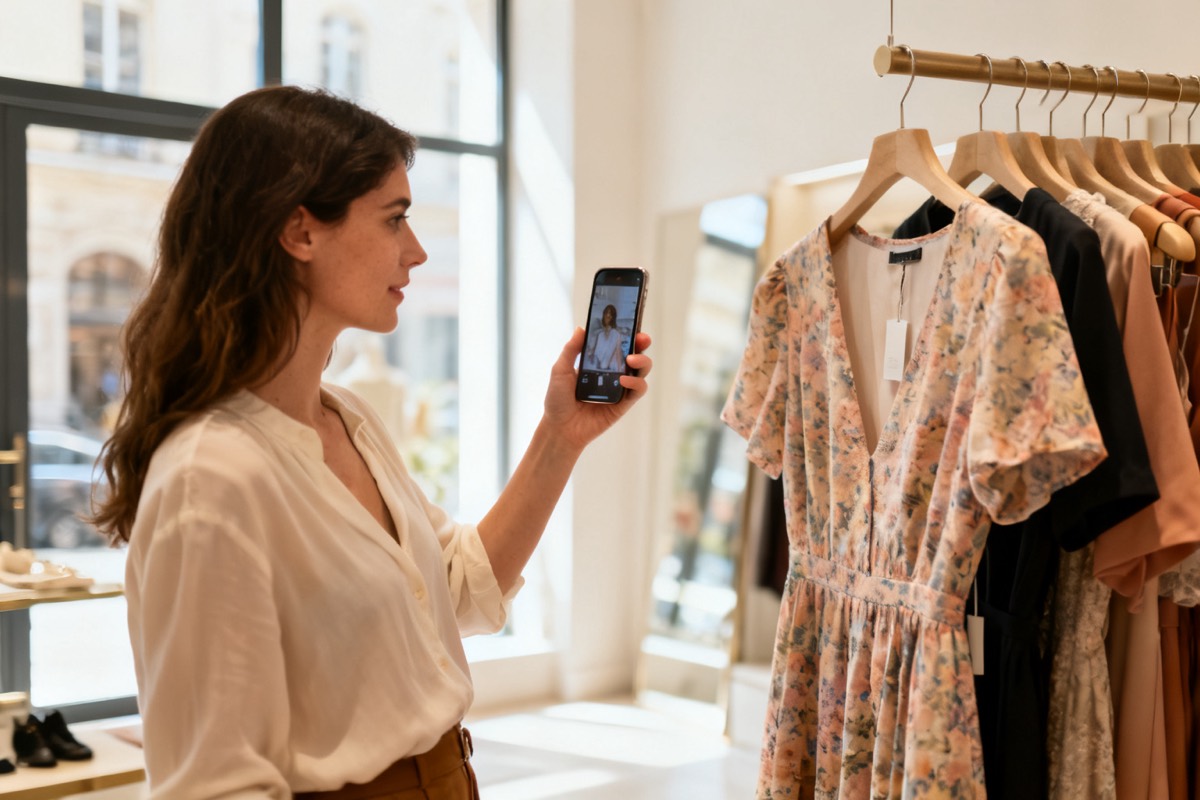
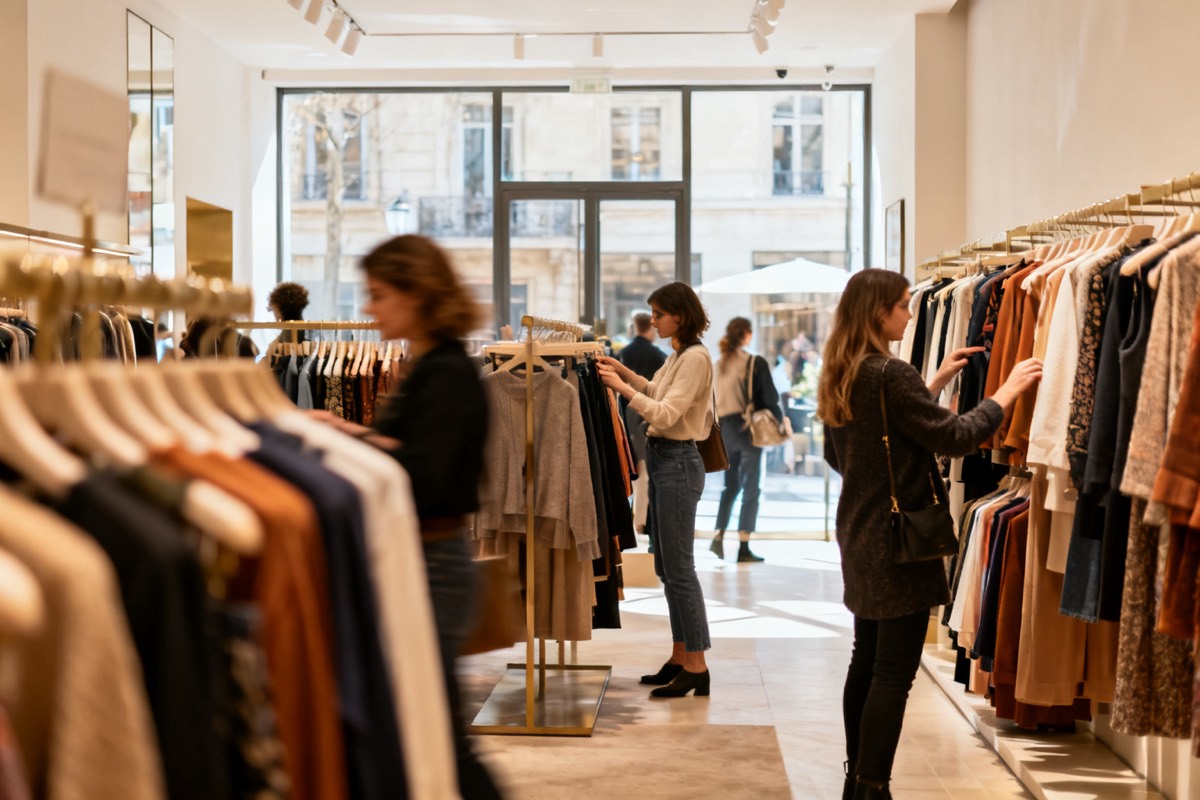
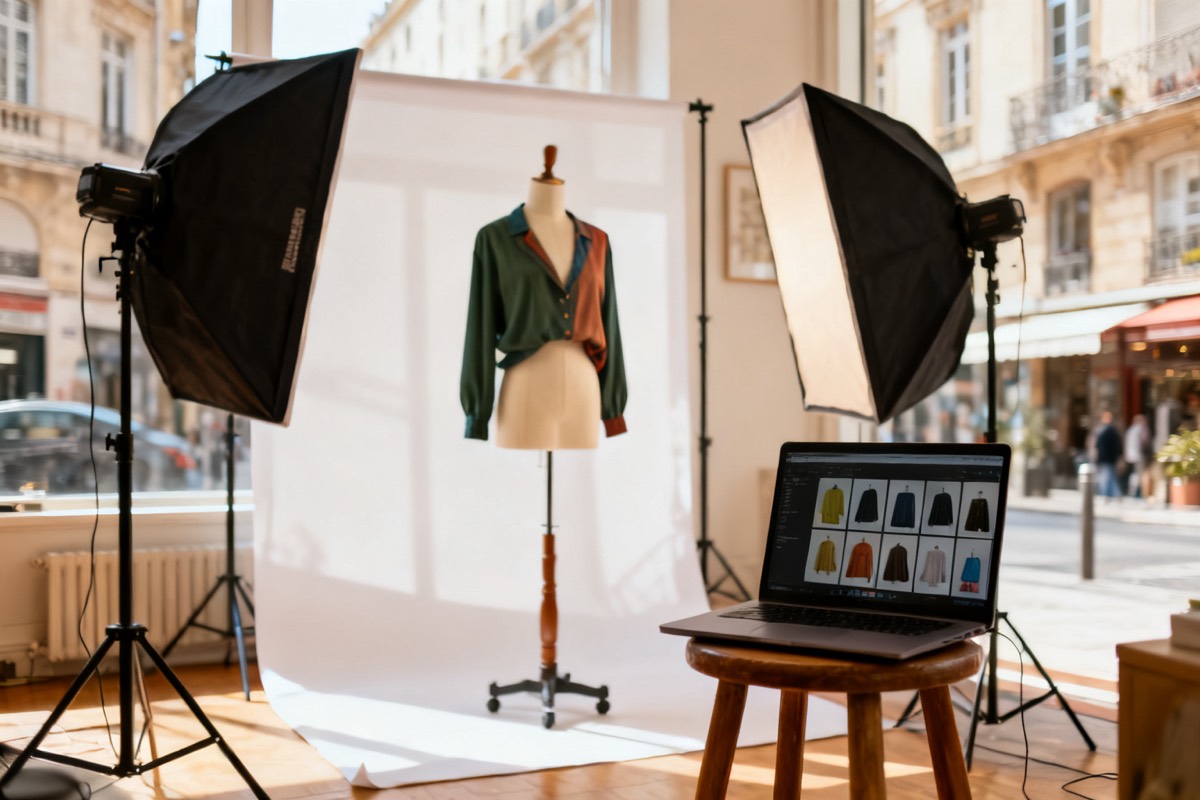
Fashion runs on imagery. New drops, new colours, new campaigns, every few weeks, and each one needs on-model shots, flat lays, crops for every channel and market. Traditional production means studios, models, stylists, retouching, and schedules booked out months ahead.
The cost is real and the bottleneck is worse. The shoot, not the design, is often what holds a launch back: the garment is sampled, priced and ready to sell, and the only thing missing is the photograph. Multiply that delay across a season and the treadmill quietly becomes the pacing constraint on the whole commercial calendar.
What an AI photoshoot replaces
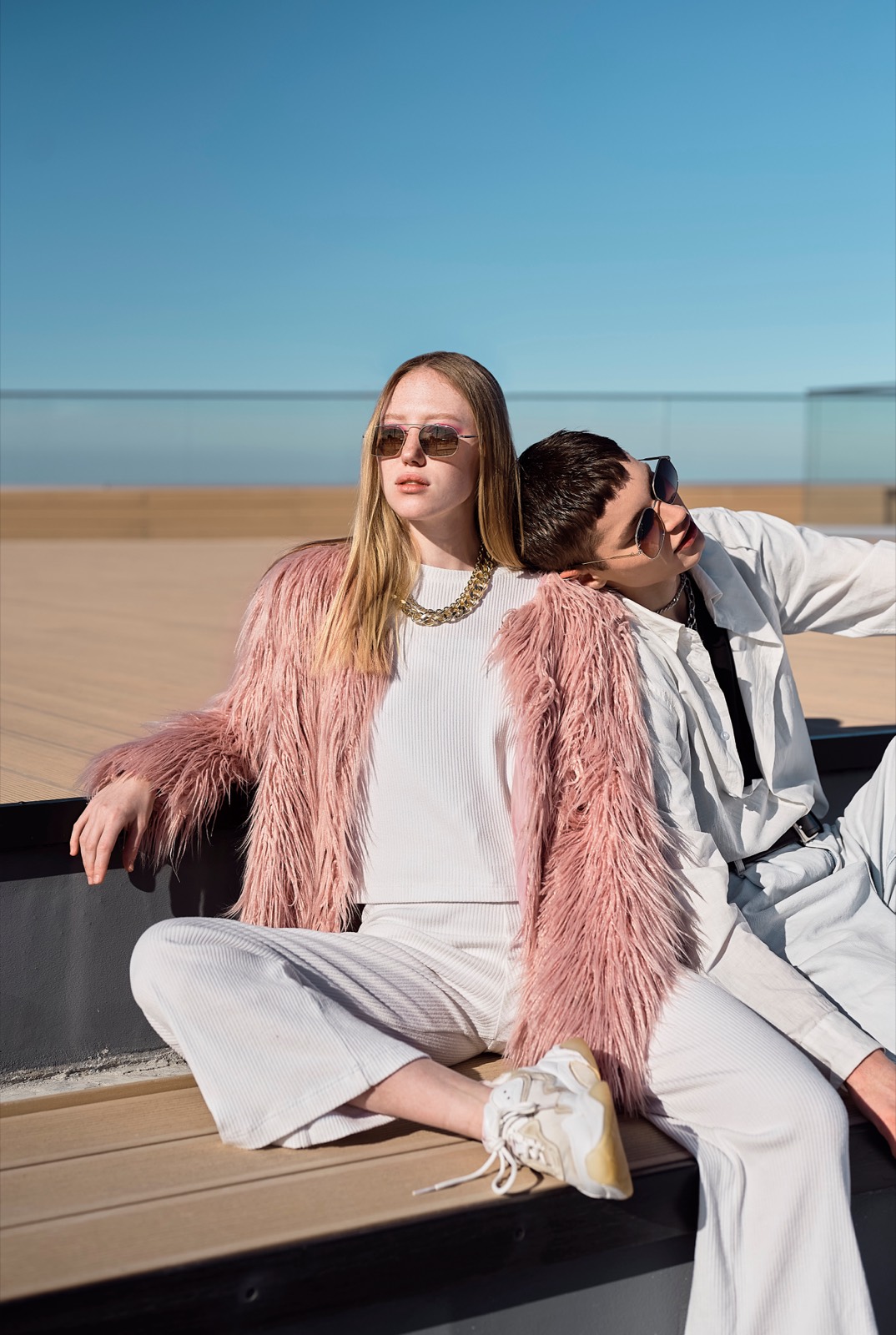
AI imagery generates on-model and on-product visuals without a physical shoot. A garment can be shown on a range of bodies, in different settings, in different lights, in a fraction of the time and cost, from a single product input rather than a booked studio day.
Industry estimates put the saving as high as 90% on certain content lines, especially repeat work like colourway variants and basic on-model PDP shots that do not need a full creative production. The point is not that a machine shoots your campaign. It is that the machine handles the eleven predictable variants so the crew can shoot the one image that matters.
How it actually works in a fashion workflow
In practice the pipeline looks like this: the garment is captured once, from existing pack shots, a sample photo, or one studio pass, and the model generates on-body imagery that preserves the product's real print, texture and construction. Art direction happens through constraints: approved model looks, lighting recipes, backdrop libraries that match the brand's world.
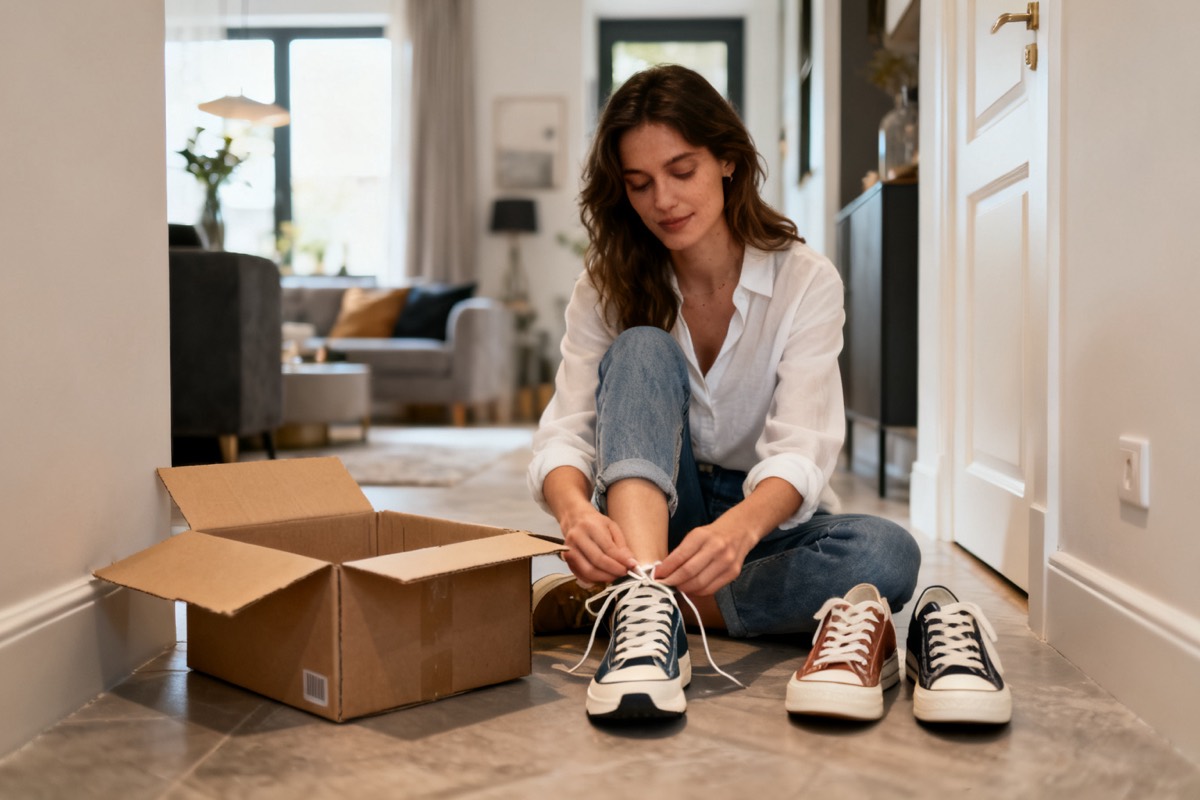
The review loop is where quality lives. Teams that treat AI output as final assets get generic results; teams that treat it as a fast first pass, with a creative lead approving and steering, get imagery indistinguishable from their studio work at a fraction of the cost. The same generative machinery, incidentally, is what powers realistic Virtual Try-On, rendering a real garment faithfully on a real body is one problem, solved once.
Keeping the brand look
The fear is sameness: AI output that looks generic and off-brand, the same airbrushed nobody in the same beige void as every competitor. That is a real risk with careless tooling, and it is avoidable.
The discipline is to train and constrain on your own aesthetic: your lighting, your casting, your styling codes, your locations. Done right, the output reads as your brand, not as stock AI. The look is a constraint you enforce, not an afterthought you hope for, which is exactly how it works with a human photographer, too.
Where to deploy first
- Colourway variants of a garment already shot once.
- Size-inclusive representation across more body types than a single shoot allowed.
- Fast-turn PDP imagery for high-volume basics.
- Localised or seasonal backdrops without re-flying a crew.
How much does an AI photoshoot cost compared to a traditional shoot?
Industry estimates put savings as high as 90% on repetitive content lines such as colourway variants and standard on-model PDP imagery. Hero campaign work still merits traditional production; the economics favour AI most where the imagery is predictable and high-volume.
Will AI-generated fashion imagery look fake or off-brand?
Not if the model is trained and constrained on your own aesthetic, your lighting, casting and styling codes, and a creative lead reviews output before publication. Generic results come from careless tooling and absent art direction, not from the technology itself.
What should a fashion brand use AI photography for first?
Colourway variants of garments already shot once, PDP imagery for high-volume basics, size-inclusive on-model representation, and localised backdrops. These are high-volume, low-creative-risk lines where the savings show up immediately.
Does AI imagery show the real product accurately?
Modern systems preserve the garment's actual print, texture and construction from the product capture, the same fidelity requirement that makes virtual try-on trustworthy. Accuracy matters commercially: imagery that misrepresents the product creates the expectation gap that drives returns.
Conclusion
AI photoshoots are not about replacing your creative vision. They are about removing the cost and delay from the repetitive work, so the budget and the calendar go to the imagery that actually needs a human eye. Cut the cost, keep the look, and stop letting the photograph be the reason a ready product is not selling.