Key takeaways
- Bracketing, ordering multiple sizes to keep one, is rational shopper behaviour created by the store's failure to answer the size question.
- It multiplies reverse logistics: most units in a bracketed order were never intended to be kept, yet each one is shipped, handled and restocked.
- The industry cost of returns runs into the tens of billions, and bracketing is a large, structural slice of it.
- Punishing the behaviour (fees, tighter windows) treats the symptom; removing the uncertainty removes the reason to bracket.
- With confident sizing, brands typically see returns fall 20 to 50%, Showroomprivé measured an 11% cut at marketplace scale.
What bracketing is
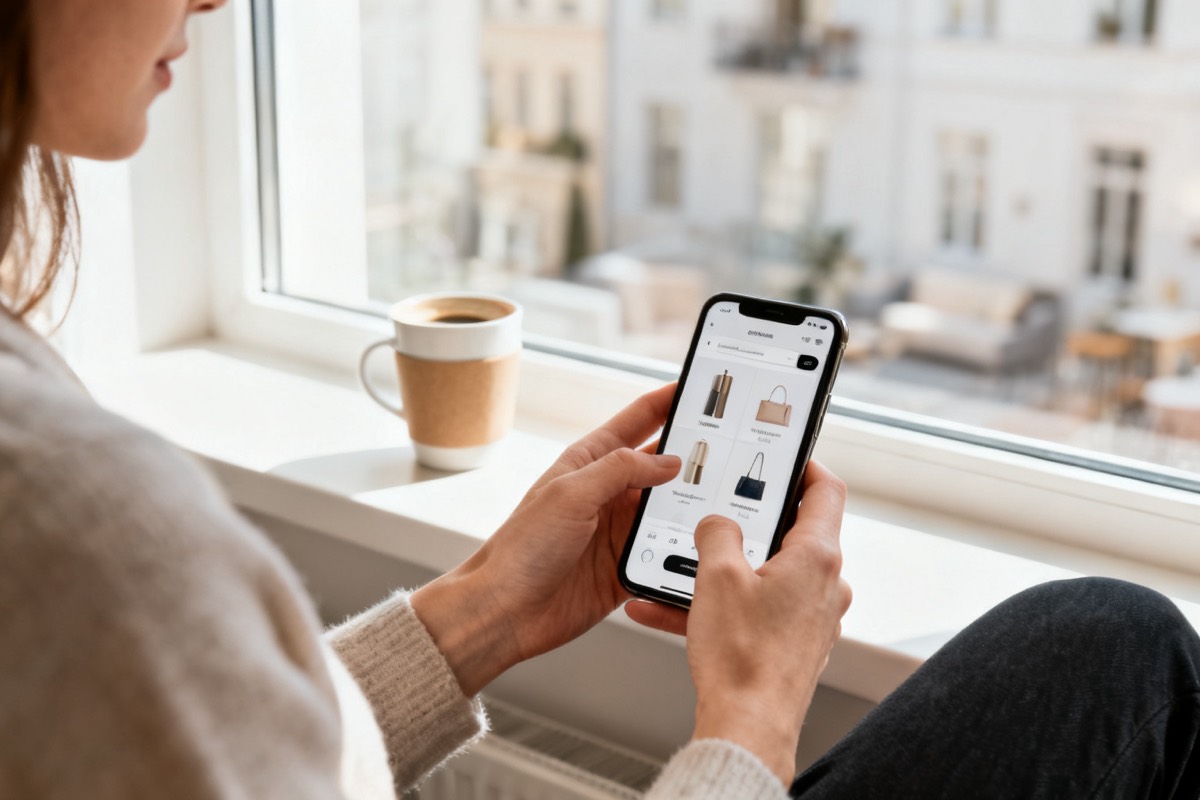
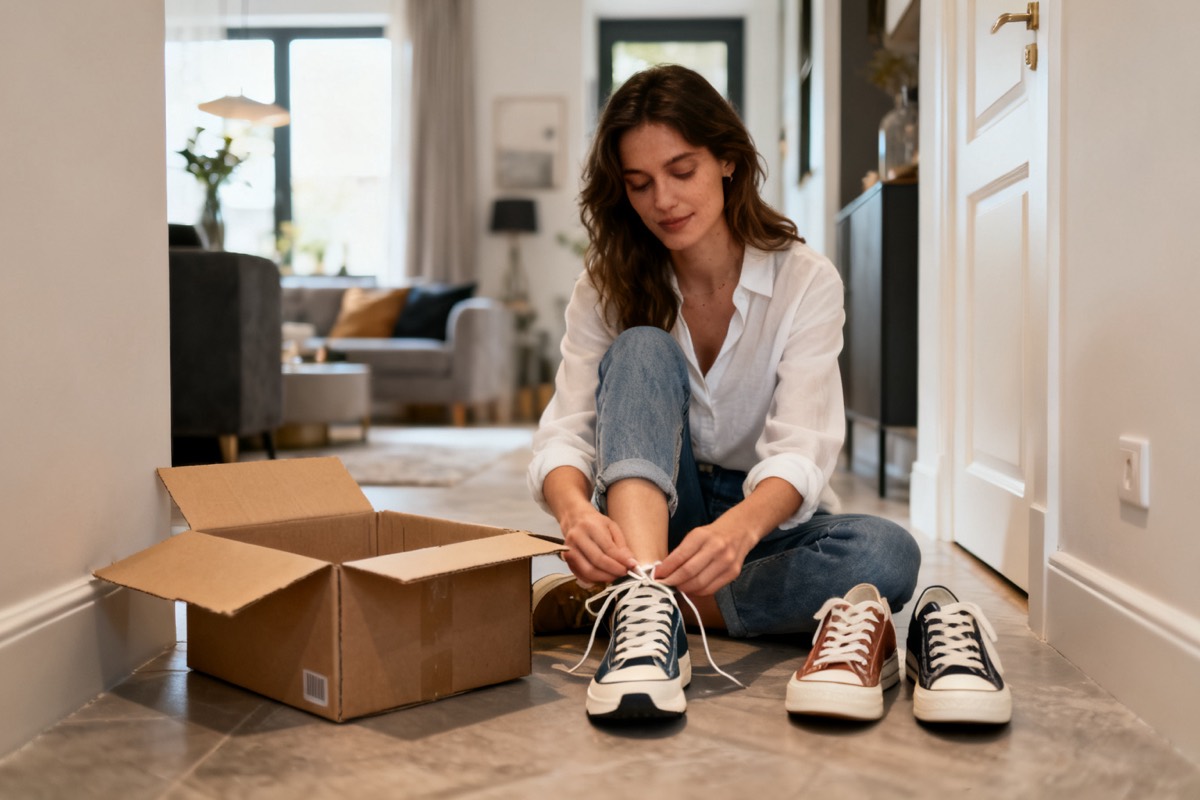
Bracketing is when a shopper orders the same item in two or three sizes, intending to keep one and return the rest. It is rational behaviour, not abuse. If you cannot tell which size fits, and with inconsistent labels and unreliable charts, you genuinely cannot, you hedge. The bedroom becomes the fitting room, and the courier becomes the rail you hang the rejects on.
Free returns made it frictionless. The shopper carries none of the cost, so the habit spread until it became normal, then expected, then taught: entire social feeds explain bracketing as the smart way to shop online. The store, meanwhile, pays for every leg of the journey.
The scale of it
Industry estimates put the cost of returns to fashion in the tens of billions, and a large slice of that is bracketing: orders that were never fully intended to be kept. Against a backdrop where roughly 30% of online fashion comes back, bracketed units are the most predictable component, the return is decided at checkout, before the parcel ships.
Every bracketed order multiplies the reverse logistics. Two or three garments ship out, most ship back, all need receiving, inspection, repackaging, and some never make it back to full-price sale, tipping into markdown or write-off. The headline revenue on the order flatters a transaction that may have lost money end to end.
Why it quietly kills margin
- Outbound and inbound shipping on units that were always going to be returned.
- Warehouse labour to inspect, repackage, and restock.
- Markdown or write-off on items that come back damaged or out of season.
- Inventory locked in transit that could have sold to someone else.
Why punishing it backfires
The tempting response is policy: return fees, shorter windows, flagging serial bracketers. It works, in the narrow sense that volume drops. But it punishes your most engaged customers for a problem the store created, and the damage lands on lifetime value rather than on the returns line, the shopper does not stop bracketing, they stop shopping with you.
Policy treats the symptom. The cause is uncertainty at the size selector, and that is the only place the habit can actually be dismantled.
Removing the reason to bracket
Shoppers bracket because they are uncertain. Remove the uncertainty and the behaviour drops. That is exactly what Smart Sizing does: one confident size recommendation for this shopper against this garment's real measurements, from a 30-second questionnaire or a two-photo scan.
When the shopper trusts the size, they order one unit. In our deployments, brands typically see returns fall 20 to 50%, and a meaningful share of that comes from fewer bracketed orders. Showroomprivé measured an 11% return reduction at marketplace scale. The maths for a CFO is direct, every avoided bracket removes two shipments, two handling passes, and one restocking risk from a single order.

The return is decided at checkout, before the parcel ships. Bracketing is not the customer being difficult, it is the store failing to answer a simple question.
What is bracketing in online shopping?
Bracketing is ordering the same item in multiple sizes (or colours), intending to keep one and return the rest. It is a hedge against size uncertainty, made frictionless by free returns, and it builds the return into the order before it ships.
How much does bracketing cost retailers?
It is a major slice of a returns bill that industry estimates put in the tens of billions for fashion. Each bracketed order carries double or triple shipping, handling and restocking costs, and returned units often miss the full-price selling window.
Should retailers charge for returns to stop bracketing?
Fees reduce volume but punish engaged customers for uncertainty the store created, and the cost shifts to lifetime value as shoppers defect. Removing the size uncertainty that causes bracketing is more effective and does not damage the relationship.
How do you stop customers ordering multiple sizes?
Give them one trusted, garment-specific size answer at the moment of choice. With AI sizing built on real body profiles and real garment measurements, brands typically see returns fall 20 to 50%, much of it from shoppers switching to single-size orders.
Conclusion
Bracketing is not the customer being difficult. It is the store failing to answer a simple question: which size fits me. Answer it well, specifically, per garment, with a recommendation the shopper learns to trust, and the habit that quietly drains your margin starts to disappear.