
Key takeaways
- Virtual try-on shows a garment on a body, the shopper's own photo or a model resembling them, closing the imagination gap that flat product shots leave open.
- The technology matured fast: diffusion-based rendering now drapes fabric correctly and preserves the real print, texture and neckline, which is the whole credibility game.
- Try-on answers 'how does it look on me'; it does not answer 'which size do I buy', pair it with Smart Sizing to close both questions on the product page.
- Deploy where fit anxiety is highest first, dresses, denim, tailoring, swimwear, and measure against a control, not against vibes.
- Assisted sessions in our deployments typically convert 15 to 25% higher.
What virtual try-on actually does
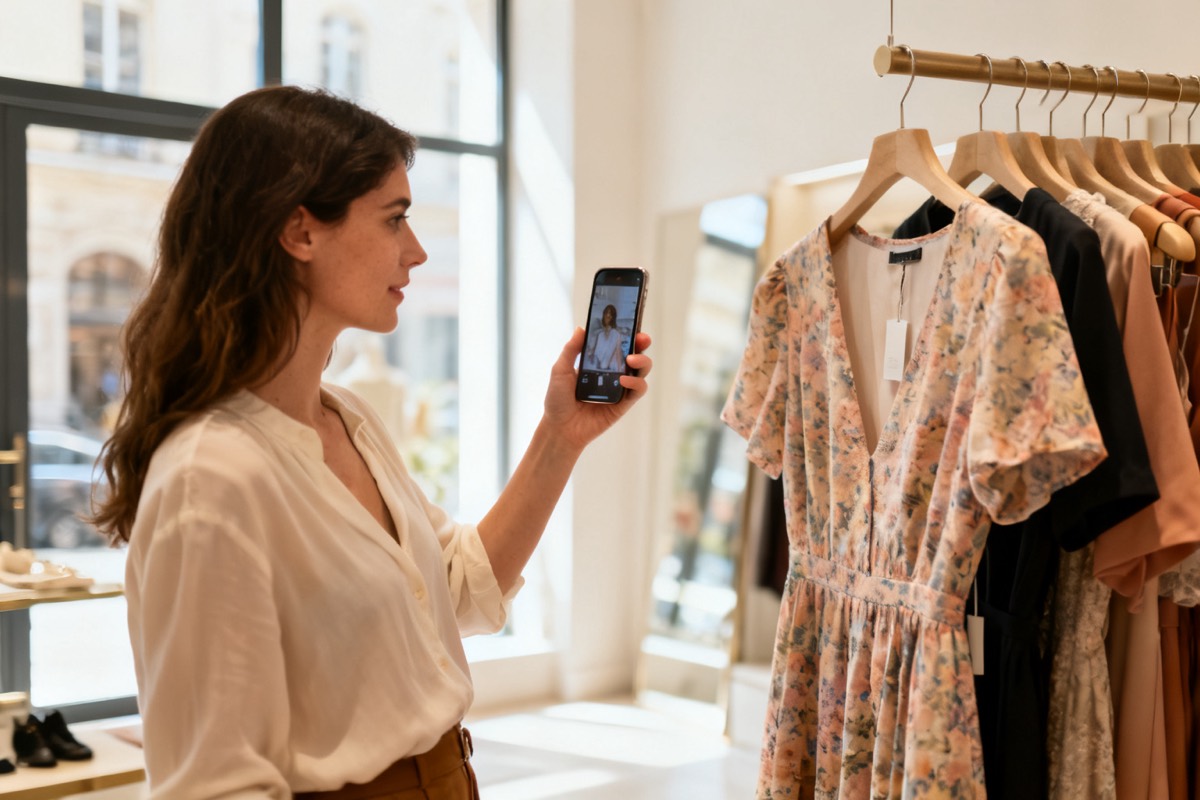
Virtual try-on lets a shopper see a garment on a body before they buy. Not a flat product shot, not a mannequin: the item rendered on a model that resembles them, or on their own uploaded photo, with the drape and proportions of a real wear.
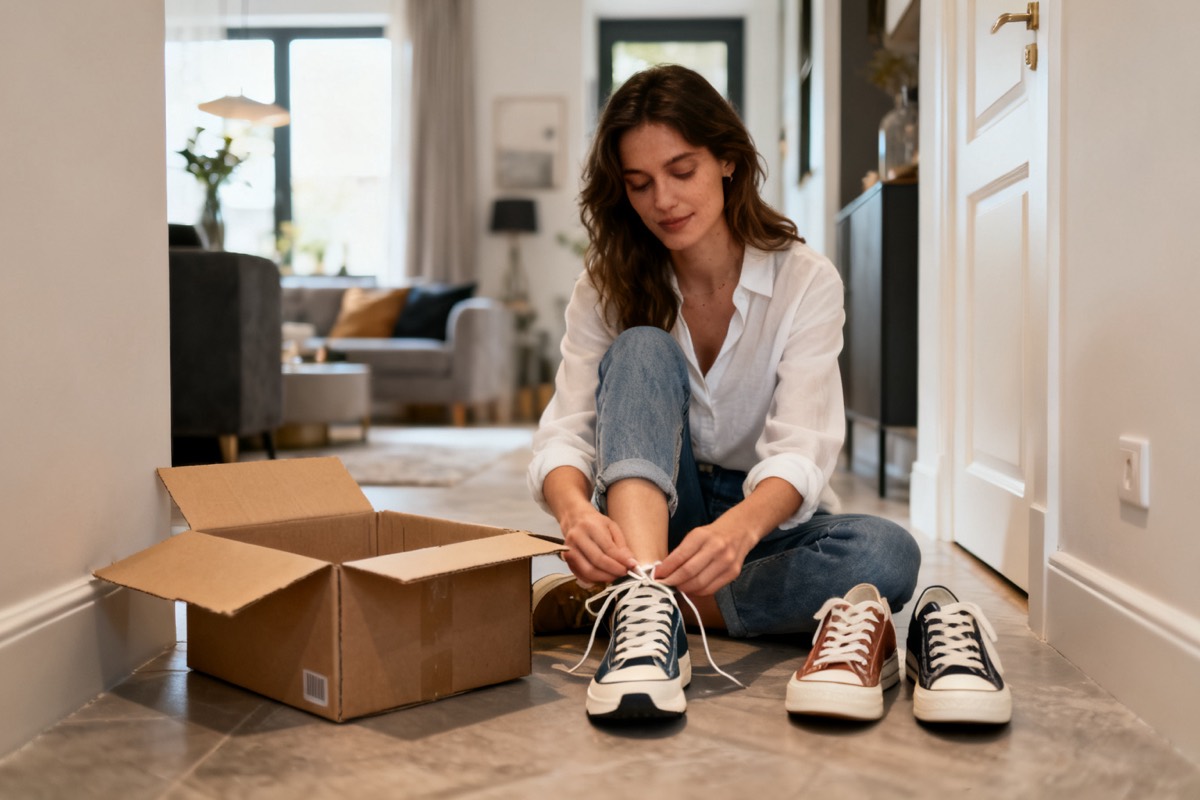
The job is simple to state and hard to deliver: reduce the uncertainty that makes people hesitate or over-order. A product photo shows the garment at its styled best on one sample-size model. The shopper's real question, what does this look like on a body like mine, goes unanswered, and unanswered questions become abandoned baskets or bracketed orders. Seeing beats imagining.
The technology in 2026
The category has moved fast. Early try-on was stiff and obviously fake: garments pasted onto bodies like stickers, prints warped, physics ignored. Shoppers spotted it instantly and trusted nothing it showed them. Today's diffusion-based rendering drapes fabric correctly, respects how a material falls and creases, and keeps the garment's real texture and print intact.
Good try-on preserves the product. The pattern stays the pattern. The neckline stays the neckline. The hem hits where the hem would hit. This fidelity is the whole game, because a try-on that flatters falsely is worse than none at all, it manufactures the exact mismatch between expectation and reality that drives the 30% return rate the industry already suffers.
Where it pays off
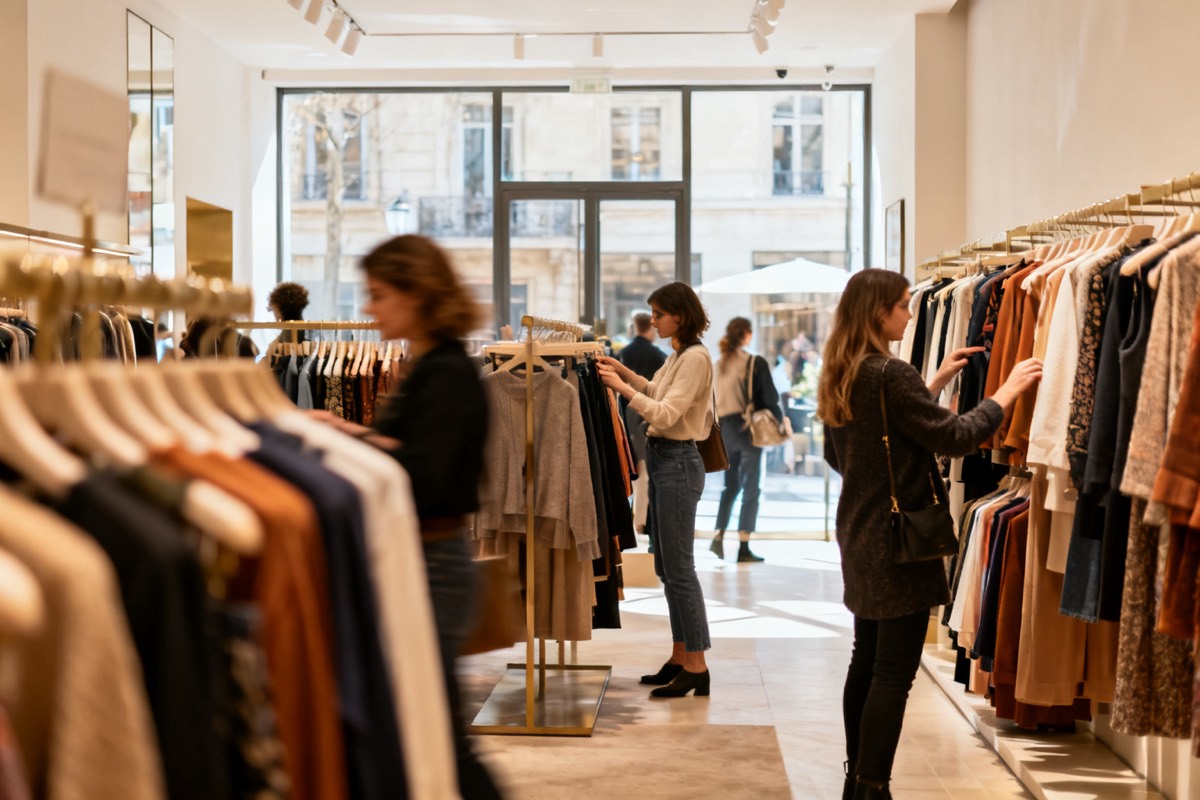
- Categories with high fit anxiety: dresses, denim, tailoring, swimwear.
- High-consideration price points, where a wrong guess is expensive to return.
- Mobile-first audiences who will not read a size chart but will tap a try-on.
- Assortments with strong prints or silhouettes that a flat lay undersells.
Try-on is half the answer
Try-on shows how something looks. It does not, on its own, tell a shopper which size to pick. A rendered image of a dress on your body still leaves the 36-or-38 question open, and that question is the one that drives bracketing and returns.
That is why the strongest setups pair Virtual Try-On with Smart Sizing: one answers the look, the other answers the fit, from the same body profile. Run together, they remove both reasons people stall at the product page. Used alone, try-on lifts engagement but leaves the sizing question, and the return rate attached to it, largely untouched.
What to expect from a rollout
Start with your most-returned categories, not your whole catalogue. The signal shows up fastest where fit uncertainty was highest, and a focused launch lets your team learn the content and merchandising workflow before scaling. Measure assisted conversion and return rate against a proper control group; a before-and-after comparison across a season will mislead you.
In our deployments, assisted sessions typically convert 15 to 25% higher. Treat try-on as a conversion and confidence tool that lives on the product page at the moment of decision, not a gimmick bolted onto the homepage for the press release. The novelty wears off in a week; the confidence effect compounds for years.
What is virtual try-on in e-commerce?
It is technology that renders a garment realistically on a body, either the shopper's own uploaded photo or a model resembling them, so they can judge look and proportion before buying. Modern systems use diffusion-based rendering that preserves the garment's true print, texture and drape.
Does virtual try-on reduce returns?
It reduces the look-driven share of returns by aligning expectation with reality before purchase. For the size-driven share, the larger one, it needs to be paired with a size recommendation tool, which is why the strongest deployments combine try-on with AI sizing.
Which product categories benefit most from virtual try-on?
Categories with high fit and silhouette anxiety: dresses, denim, tailoring and swimwear, plus high-price items where a wrong guess is costly. Strong prints and distinctive silhouettes that flat product photos undersell also benefit disproportionately.
How do you measure whether virtual try-on works?
Run it against a control group and compare assisted versus unassisted sessions on conversion, return rate and add-to-cart. In Kleep deployments, assisted sessions typically convert 15 to 25% higher.
Conclusion
Virtual try-on in 2026 is mature enough to trust and specific enough to matter. Pair it with real-measurement sizing so look and fit get answered together, point it at your hardest categories, and measure it against a control. That is how it earns its place on the page, as infrastructure, not theatre.