
Key takeaways
- Shoppers collect inspiration as screenshots, not keywords, and the translation from image to text query is where most of that demand dies.
- Visual Search makes the image the query: shape, colour, pattern and detail matched directly against the catalogue.
- The path from inspiration to checkout collapses to three taps, on the device where the inspiration arrived.
- Visual intent is high intent: someone holding a picture of what they want is far closer to buying than a browser.
- It also rescues the zero-result queries that keyword search kills, demand you earned and then dropped.
The screenshot economy
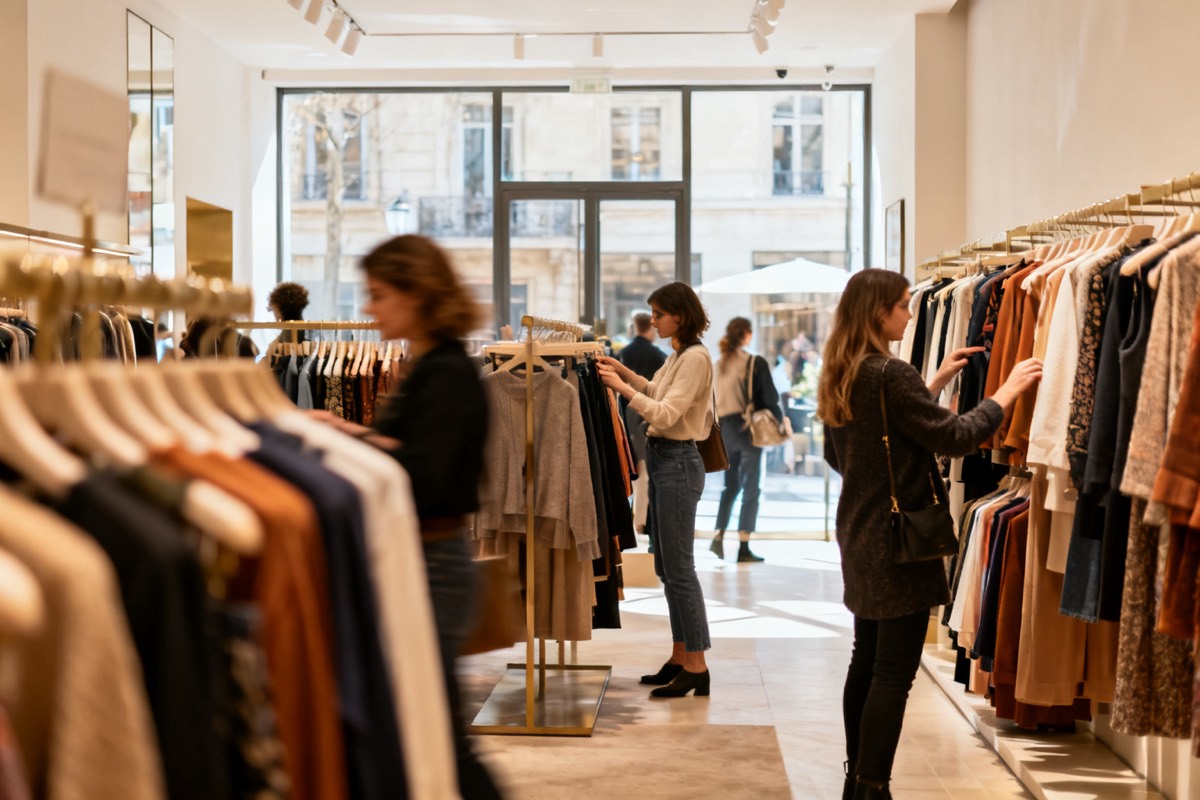
Shoppers see something they want everywhere: a friend's outfit, a still from a show, a post that scrolled past at speed. The instinct is to screenshot it, not to describe it in words. Camera rolls have become wishlists, unstructured, personal, and completely invisible to your search bar.
Then comes the hard part. Translating that image into a text search that finds the right product means naming a sleeve shape, guessing what the brand calls that shade of green, and hoping the catalogue used the same words. Most people give up two attempts in. The desire was real; the interface killed it.
How visual search works
Visual Search lets a shopper search by image. Upload the screenshot, and the system finds the closest matches in the catalogue by what the garment actually looks like: silhouette, colour, pattern, neckline, hardware, detail. Under the hood, both the query image and every catalogue item live in the same visual embedding space, so similarity is computed on appearance rather than on words.
No keywords. No guessing whether the brand says 'puff sleeve' or 'balloon sleeve'. The image is the query, and the catalogue answers in kind. When the exact item is not in stock, the nearest visual neighbours still give the shopper somewhere to go, which is a sale path, not a dead end.
Three taps to a sale
- Tap one: upload or paste the image.
- Tap two: scan the visually-matched results.
- Tap three: open the product and buy.
Why it converts
Visual intent is high intent. Someone with a picture of what they want is far closer to buying than someone idly browsing; they have already done the wanting, and only the finding remains. Visual search meets them at that exact moment instead of making them work for it.
It also rescues demand that text search drops. When a shopper cannot name what they are after, the keyword box returns nothing and the visit ends, the silent killer we quantify in our article on zero-result searches. An image never hits that wall. Paired with Conversational Search for the queries people can phrase, it means every form of intent, verbal or visual, has a working path into your catalogue.
Making it work in practice
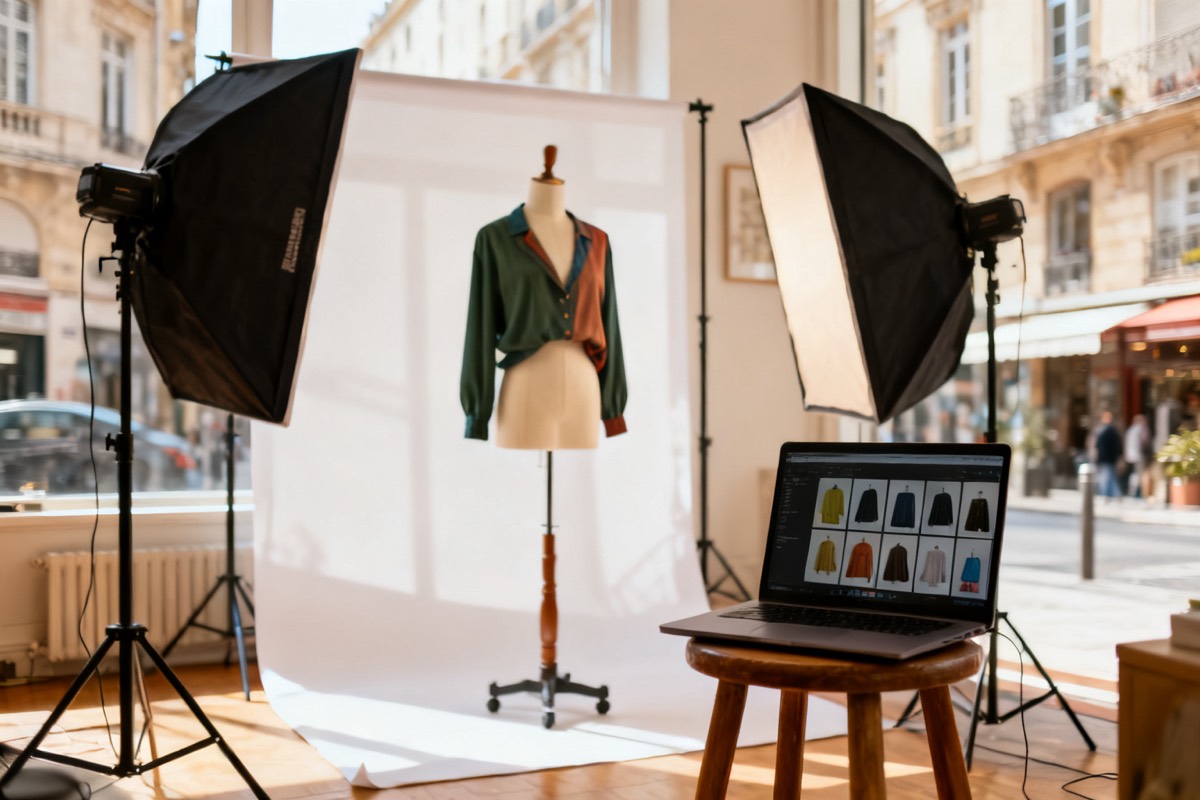
Two things determine whether visual search performs: entry-point placement and catalogue coverage. The camera icon belongs in the search bar on mobile, where screenshots live, burying it three menus deep wastes the feature. And the matching is only as good as your product imagery; clean, consistent catalogue shots give the model more to match against.
Measure it like a channel: sessions using visual search versus not, on conversion and average order value. In our deployments, assisted sessions typically convert 15 to 25% higher, and visual searchers skew even more decisive, because they arrived with the decision half made.

Camera rolls have become wishlists, unstructured, personal, and completely invisible to your search bar.
What is visual search in fashion e-commerce?
It lets shoppers search a store's catalogue with an image instead of words, a screenshot, a photo, a saved post. The system matches on visual attributes like silhouette, colour and pattern, returning the closest products without any keywords.
How does visual search increase conversion?
It captures high-intent shoppers at the moment of inspiration and removes the image-to-words translation where most give up. Assisted sessions typically convert 15 to 25% higher, and visual searchers arrive with the decision half made.
What happens if the exact product from the image is not in the catalogue?
Visual search returns the nearest visual matches, same silhouette, similar colour and detail, giving the shopper strong alternatives instead of a zero-result page. That converts demand that keyword search would simply drop.
Where should the visual search button go on a fashion site?
In the search bar itself, especially on mobile, as a camera icon. Screenshots live on the phone, so the entry point must sit where the thumb already is; hiding it in a submenu wastes most of its potential.
Conclusion
Fashion is a visual category, so search should be too. Let shoppers search the way they already think, with a picture, and you shorten the path from inspiration to checkout to three taps. Screenshot in, sale out.