Key takeaways
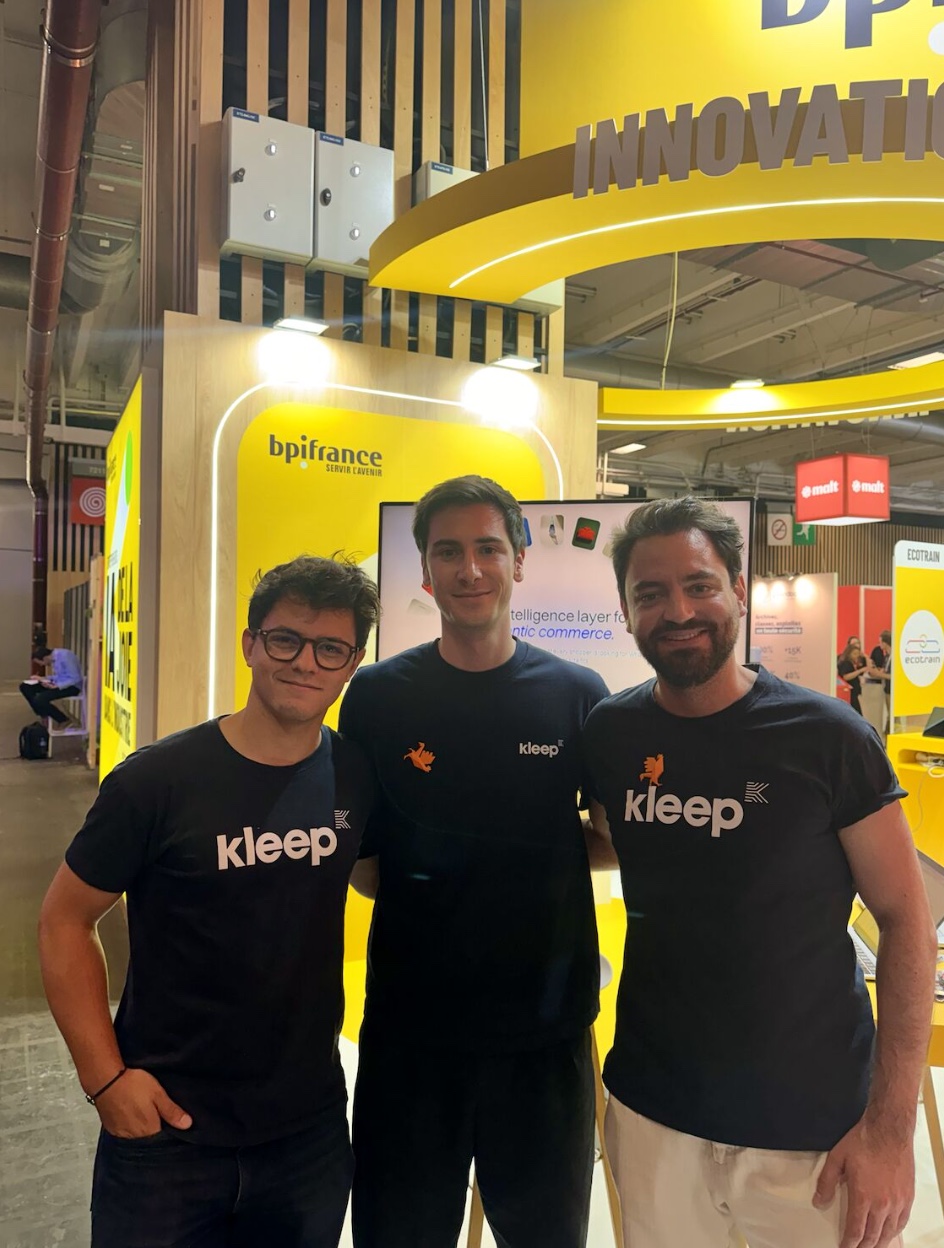
- Kleep is a laureate of i-Nov, the French State's innovation competition run under the France 2030 investment plan.
- The jury's selection recognizes Kleep's sizing R&D, developed with the Mines de Paris and ENS Paris-Saclay research labs.
- i-Nov laureates are chosen by independent expert juries on scientific depth and impact potential, it is state co-funding for research, not a marketing prize.
- The backing accelerates Kleep's roadmap: deeper morphology models, broader garment coverage, and accuracy measured scientifically.
A state jury just examined our science. It voted yes.
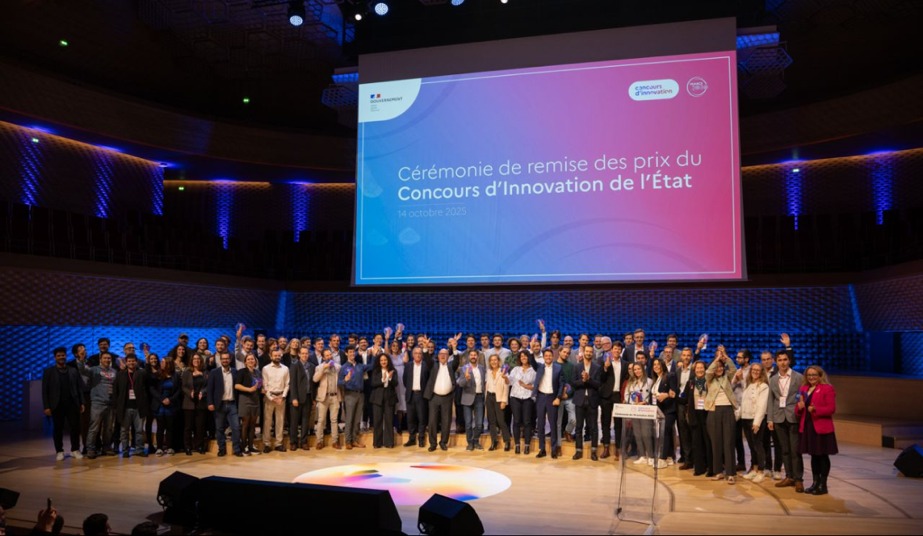
Kleep has been named a laureate of i-Nov, the Concours d'innovation de l'État. Alongside the other laureates of its wave, Kleep now carries a distinction that only a small share of applying deep-tech companies obtain: the French State reviewed the research behind the product and decided it was worth public co-investment.
For a company whose entire promise is accuracy, the right size, recommended from almost nothing, that review matters more than any campaign. Judges with no commercial stake examined the models, the data pipeline and the scientific method, and backed them.
What i-Nov is, and why selection is hard
i-Nov is France's national innovation competition, financed through the France 2030 plan and operated by Bpifrance and ADEME on behalf of the State. It co-funds ambitious R&D projects at innovative companies, selected wave by wave through independent expert juries.
The bar is scientific, not just commercial. Candidates defend the novelty of their technology, the credibility of their research plan and the impact it can have on their industry. Most applicants do not make the cut, which is precisely what makes the label meaningful.
The research behind the recommendation
Kleep's sizing engine did not start as a widget. It started as a research problem: infer a shopper's body measurements from minimal input, then match them against garment-level data, cut by cut, fabric by fabric. That work has been developed with the Mines de Paris and ENS Paris-Saclay laboratories, two of France's leading research institutions.
It is the same engine that now answers a sizing question every few seconds across 300+ live brands, from Lacoste to Givenchy. The i-Nov grant funds the next stage: deeper morphology models, broader garment and category coverage, and recommendation quality measured scientifically rather than anecdotally.
What it changes for the brands betting on Kleep
Sizing tools are easy to demo and hard to make accurate. Every vendor shows a polished widget; very few can show the science underneath it. A state innovation jury examining that science, and choosing to fund it, is a different kind of endorsement than a client logo.
For retailers comparing solutions, it is also a signal about trajectory. i-Nov backing means the accuracy gap between Kleep and the legacy tools it replaces is set to widen, on public co-funding, with academic partners, and with results that will be published against measurable benchmarks.
What is the i-Nov competition?
i-Nov (Concours d'innovation de l'État) is France's national innovation competition, financed by the France 2030 investment plan and operated by Bpifrance and ADEME. It co-funds high-potential R&D projects at innovative French companies, selected by independent expert juries.
What was Kleep awarded for?
For its sizing R&D: inferring accurate body measurements from minimal shopper input and matching them against garment-level data, research developed with the Mines de Paris and ENS Paris-Saclay laboratories.
What does the award change for Kleep's clients?
The co-funding accelerates the sizing roadmap, deeper morphology models, broader garment coverage and scientifically measured accuracy, and gives brands independent, state-level validation of the technology they deploy.